
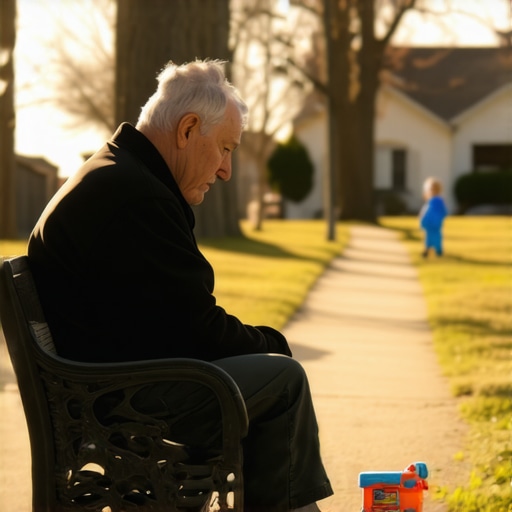
Redefining Masculinity in Fatherhood Amidst Emotional Suppression
The evolving landscape of fatherhood increasingly reveals a paradox: while dads bear the societal mantle of the breadwinner and protector, the ingrained tough it out attitude often results in unrecognized emotional distress, notably manifesting as the silent tear. As experts explore the impact of these norms, it’s paramount to understand how such expectations influence mental health and familial bonds in 2026 and beyond.
The Hidden Toll of the Main Head of Household Role
Stepping into the role of the main head of household entails multifaceted responsibilities—financial provision, moral guidance, and emotional stability. However, the relentless pressure to uphold this archetype frequently suppresses genuine emotional expression, threatening the dad-daughter bond and contributing to sentimental triggers that induce silent suffering. Recognizing these dynamics is essential for fostering healthier familial environments.
Sentimental Triggers That Erode the Toughness Veil
Research indicates that certain moments—such as a daughter’s vulnerable confession or a shared memory—can trigger emotional responses previously deemed incompatible with traditional masculinity. These sentimental triggers challenge the stereotypical toughness, highlighting the importance of emotional authenticity in fatherhood. For insights into how these triggers influence parental behavior, refer to expert analyses on sentimental triggers in dads.
What strategies enable dads to embrace vulnerability without compromising their authority?
Addressing the failure of the tough it out attitude requires systemic shifts: redefining masculinity, encouraging open communication, and fostering strong daughter-dad bonds. These efforts not only mitigate the silent tear phenomenon but also empower dads to lead emotionally resilient families. Exploring the intricate dynamics of these bonds reveals that authentic connection often begins with embracing vulnerability.
How the Cultural Narrative Shapes Emotional Suppression
Societal narratives have historically valorized stoicism among men, reinforcing the perception that emotional expression signifies weakness. Such beliefs directly influence how dads manage stressors like breadwinner pressure and household leadership. Challenging these narratives is vital, as research from reputable sources underscores that emotional suppression correlates with increased mental health issues, including depression and anxiety.
Fostering Emotional Awareness in Family Dynamics
Practical approaches—such as intentional communication, emotional literacy training, and family therapy—are effective in dismantling the tough it out paradigm. Encouraging daughters to witness their fathers’ emotional authenticity cultivates mutual understanding and bridges the emotional gap that sustains the silent tear. For related insights, visit deep dives into strengthening daughter-dad relationships.
Are We Truly Prepared for the Emotional Evolution of Dads?
This pressing question highlights the urgency of cultural and familial shifts required to support emotionally resilient fatherhood. Leaders, mental health experts, and policymakers must collaborate to create environments where emotional expression is normalized and celebrated among dads. Such systemic change is fundamental to combating the failure of the tough it out attitude and fostering authentic, nurturing relationships.
Reimagining Strength: Leading with Authenticity
In a world where the traditional image of a father often equates strength with emotional stoicism, many dads grapple with the dilemma of balancing authority and vulnerability. Embracing authenticity doesn’t diminish a dad’s leadership but instead enhances it, fostering trust and openness within the family unit. By modeling emotional transparency, fathers can dismantle harmful stereotypes and pave the way for healthier communication patterns, encouraging their daughters to feel safe expressing their own feelings.
The Power of Emotional Literacy in Fatherhood
Developing emotional literacy— the ability to recognize, understand, and articulate feelings—is vital for nurturing genuine relationships. Incorporating emotional intelligence training into everyday interactions allows dads to respond empathetically, especially during delicate moments often associated with sentimental triggers. According to mental health expert Dr. John Mayer, fostering emotional literacy leads to more resilient family bonds and better mental health outcomes for both fathers and their daughters. Resources like this guide offer practical tools for dads seeking to enhance their emotional skill set.
How can fathers redefine their role as protectors without suppressing vulnerability?
Reconceiving protection involves creating a safe emotional environment where feelings are validated rather than concealed. This shift requires intentional effort—prioritizing active listening, acknowledging emotional moments, and modeling healthy coping strategies. Implementing such practices not only challenges the outdated ‘tough dad’ archetype but also strengthens the father’s influence as a nurturing figure capable of guiding both resilience and empathy.
Leveraging Cultural Change for Lasting Impact
Changing deeply rooted narratives about masculinity and fatherhood demands collective action from communities, educational institutions, and policy frameworks. Initiatives that promote emotional education from an early age can dismantle the association between masculinity and emotional suppression. As outlined in research by the American Psychological Association, societal shifts towards embracing vulnerability in men lead to improved mental health and familial harmony. Digital campaigns and fatherhood programs that prioritize emotional openness can accelerate this cultural transformation.
Creating Supportive Structures for Dad’s Emotional Growth
Instituting peer support groups, mentorship programs, and accessible mental health services tailored for fathers can empower dads to explore and express their emotions safely. These structures serve as vital pillars in overcoming the stigma attached to vulnerability, facilitating ongoing growth and authentic connection with daughters and other family members. For those interested in practical frameworks, exploring approaches like the Emotionally Focused Family Therapy model can provide valuable insights into transforming family dynamics—more details are available in this comprehensive resource.
Empowering Fathers Through Emotional Mastery Beyond Traditional Roles
In the rapidly evolving landscape of fatherhood, the significance of emotional mastery extends far beyond stereotypical notions of strength and stoicism. Modern dads are increasingly recognizing that true resilience involves embracing vulnerability, which paradoxically enhances their capacity to lead, protect, and nurture. These shifts require targeted strategies rooted in psychological insights and practical application, emphasizing authenticity over facade.
Can cultivating emotional agility transform paternal authority in complex family scenarios?
Absolutely. Emotional agility, a concept extensively explored by psychologist Susan David (www.susandavid.com), refers to the ability to navigate one’s internal emotional landscape with flexibility. For dads facing challenging situations—whether handling adolescent rebellion or managing household crises—this skill enables adaptive responses rather than reactive reactions. Implementing mindfulness practices and reflective pauses can help fathers detach momentarily from emotional overwhelm, fostering clearer decision-making and more compassionate leadership.

This illustrative diagram visualizes emotional agility cycles, highlighting techniques like acceptance, cognitive reframing, and committed action—essential tools for emotionally resilient fatherhood.
Redefining Masculinity: The Power of Emotional Authenticity in Legacy Building
Historically, societal narratives have celebrated masculinity through traits like dominance and emotional suppression. However, contemporary research underscores a paradigm shift: authentic emotional expression fosters deeper familial bonds and sets a healthier example for future generations. Fathers who embody emotional authenticity become catalysts for cultural change, influencing their daughters and sons to redefine notions of strength and vulnerability.
For instance, social scientist Michael Kimmel, in his work on masculinity studies (m-kimmel.sas.upenn.edu), emphasizes that emotional openness not only benefits individual mental health but also dismantles toxic masculinity norms. This transformation signifies a profound legacy—one where resilience is intertwined with honesty, leading to more resilient families and communities.
An empowering image depicts a father sharing an emotional moment with his daughter, illustrating the strength found in vulnerability and authenticity.
Addressing the Subtle Erosion of Self in the Father’s Emotional Identity
As fathers consistently prioritize their roles as providers and protectors, there’s a risk of losing touch with their authentic selves—emotionally, psychologically, and spiritually. This erosion can manifest as feelings of emptiness, disconnectedness, or helplessness, which are often hidden beneath layers of societal expectations. Recognizing and confronting this internal dissonance is crucial for fostering genuine emotional resilience.
Recovery begins with introspection and the acknowledgment that vulnerability is not synonymous with weakness. Academic psychologist Brené Brown’s research (brenebrown.com) illustrates that embracing vulnerability opens the door to wholehearted living—an essential aspect of modern fatherhood. Developing personal narratives that honor both strength and sensitivity creates a balanced emotional identity, empowering dads to serve as authentic role models.
The Hidden Power of Emotional Transparency in Changing Fatherhood Norms
In today’s rapidly shifting cultural landscape, the archetype of the stoic, emotionally reserved father remains deeply ingrained, yet evidence suggests that emotional transparency significantly enhances familial resilience and personal well-being. Recognizing the importance of this shift is crucial for mental health practitioners and family advocates alike, as it directly impacts intergenerational relationships and societal perceptions of masculinity.
How can expert interventions redefine the masculine ideal to promote emotional openness among fathers through systemic and psychological frameworks?
Formal programs integrating emotional literacy training with cognitive-behavioral techniques have demonstrated success in reshaping paternal norms. Institutions such as the Men’s Health Forum emphasize tailored workshops and community-based initiatives that challenge traditional narratives, fostering environments where vulnerability is viewed as strength. These initiatives are rooted in the principles outlined by renowned researcher Dr. Michael Kimmel, emphasizing that systemic change is vital for sustainable transformation (m-kimmel.sas.upenn.edu).
Engaging fathers in community dialogue about masculinity not only dismantles harmful stereotypes but also propels a cultural paradigm shift, making emotional authenticity a celebrated norm.

Visualize a community counseling session where fathers openly discuss their emotional challenges, symbolizing the collective move towards authentic vulnerability.
Expert Insights & Advanced Considerations
The Necessity of Emotional Skill Development in Paternal Roles
Modern fatherhood demands a deliberate cultivation of emotional intelligence, moving beyond traditional stoicism to foster authentic connections that support mental well-being and familial resilience.
Challenging Deep-Rooted Cultural Narratives Around Masculinity
Systemic efforts to deconstruct societal stereotypes about strength and vulnerability are essential; integrating these insights into policy and community programs accelerates the shift towards healthier masculinity models.
Integrating Emotional Literacy into Parenting Frameworks
Embedding emotional literacy training into parental education enhances fathers’ capacity to navigate sentimental triggers, reinforcing trust and open communication with daughters and family members.
Harnessing Peer Support Networks for Emotional Growth
Structured support groups for dads serve as vital platforms to normalize vulnerability, share strategies, and dismantle stigma associated with emotional expression, fostering sustained growth and connection.
Leveraging Technological Tools for Emotional Mastery
Innovative apps and virtual programs designed to cultivate emotional agility can supplement traditional methods, providing accessible resources for fathers seeking to reimagine their emotional roles.
Curated Expert Resources
- American Psychological Association’s Guidelines on Masculinity and Emotional Well-being: Offers evidence-based frameworks for understanding and promoting healthy emotional expression among men.
- Brené Brown’s Research and Publications: Provides profound insights into vulnerability, shame resilience, and wholehearted living, essential for redefining fatherhood norms.
- The Emotionally Intelligent Father by Dr. John Gottman: Combines empirical research with practical strategies to deepen emotional literacy in parenting.
- The Men’s Health Forum Initiatives: Implements community-driven programs aimed at fostering emotional openness and reducing stigma among fathers.
- Online platforms like GrowPath and DadChat: Facilitate peer support and shared learning, empowering dads on their emotional growth journey.
Final Expert Perspective
In the evolving landscape of fatherhood, the critical role of emotional authenticity cannot be overstated. Embracing vulnerability enriches not only individual dads but also sets a transformative example for the next generation, fostering resilient families and societies. As professionals in this domain, our challenge lies in integrating these insights into practice—encouraging authentic dialogue, supporting systemic change, and leveraging innovative tools to reimagine strength. If you’re committed to advancing this vital discourse or seeking expert collaboration, engaging with these resources and contributing your perspective will catalyze meaningful progress.
,
Reading this article really resonated with me, especially the idea that traditional masculinity has often limited dads’ emotional expression. Personally, I’ve seen firsthand how opening up about feelings can strengthen trust and bond with my daughter, rather than weaken my authority. It’s encouraging to see more discussion around redefining what strength actually looks like. I wonder, how can community programs be more effective in encouraging fathers to embrace vulnerability? Are there particular initiatives or models that other dads have found helpful in overcoming the stigma associated with emotional openness? It seems like integrating these concepts into everyday life and creating safe spaces for discussion could be game-changers for many families. It makes me think about how societal narratives need to shift to support genuine emotional connections, not just among fathers but across all generations.