

Unveiling the Silent Sacrifice of the Family Breadwinner
In contemporary fatherhood, the role of being the main head of household extends beyond financial provision into realms of emotional resilience and silent suffering. As professionals and researchers increasingly recognize, the societal expectation for dads to embody strength often masks profound internal struggles rooted in deep sentimentality, which can lead to emotional crises that remain unspoken.
Deciphering the Complex Dynamics of Fatherly Sentimentality and Societal Expectations
The archetype of the unshakeable breadwinner imposes a tough facade, compelling fathers to suppress vulnerability. This suppression stems from cultural norms that equate masculinity with emotional stoicism, often fostering a dangerous disconnect between internal feelings and external composure. Such dichotomy not only heightens psychological stress but also triggers sentimental responses that may surface unexpectedly, revealing the weight of unexpressed emotion.
When Dads Cry: Recognizing Deep Sentimentality as a Reflection of Strength
The phenomenon of fathers shedding tears, especially during moments of genuine sentimentality, challenges traditional perceptions. Recent studies indicate that emotional expression is crucial for mental health among dads, serving as an adaptive response to the relentless pressure of economic and familial responsibilities. These tears, often concealed behind a tough exterior, are powerful indicators of emotional health, resonating deeply with daughter-dad relationships where vulnerability fosters intimacy.
Manipulating Psychological Triggers to Heal or Harm Father-Child Bonds
Sentimental triggers, such as recalling childhood memories or witnessing moments of familial love, evoke significant emotional reactions in fathers. However, the way these triggers are managed can either strengthen or weaken the father-child bond. Ignoring or dismissing these sentiments perpetuates the silent tear phenomenon, while embracing vulnerability can facilitate mutual understanding and emotional healing, breaking the cycle of silence.
Addressing the Pressure of Being the Family’s Pillar
The profound pressure placed upon the main head of household, particularly as the primary breadwinner, often results in emotional erosion. The relentless pursuit to “tough it out” leads many dads to internalize stress, which eventually manifests as silent tears or emotional numbness. Addressing these issues requires a nuanced approach that validates emotional expression as a component of resilient fatherhood.
What Are Effective Strategies for Dads to Navigate Emotional Vulnerability Without Fear of Judgement?
Advancements in mental health support suggest that fostering open communication and redefining masculinity norms are pivotal. Encouraging dads to engage in peer support groups or counseling can facilitate emotional literacy and resilience. Such strategies are crucial for dismantling the stigma associated with male vulnerability, ultimately strengthening the familial fabric. For further insights, consult this reputable source on emotional health in fatherhood.
To contribute your expertise or explore additional strategies, visit our dedicated platform for mental health professionals and fatherhood advocates.
Challenging Traditional Masculinity: Opening Doors for Emotional Freedom
In a world increasingly aware of mental health and emotional well-being, the stereotype that fathers must always appear resilient persists, often at a significant cost. Normalizing emotional expression challenges outdated norms, fostering healthier relationships and reducing the burden of unspoken pain. As fathers shed the shackles of stoicism, they unlock a profound capacity for connection, understanding, and vulnerability that benefits the entire family dynamic.
Harnessing Emotional Triggers to Strengthen Bonds and Foster Authenticity
Recognizing sentimental triggers can be transformative. Rather than dismissing tears or emotional responses as signs of weakness, embracing them as gateways to deeper intimacy fortifies the father-child relationship. For instance, recalling personal memories or witnessing acts of love can serve as catalysts for meaningful conversations. Learning to manage and interpret these triggers offers a nuanced approach to emotional literacy, bridging internal feelings with external expression, and helps dissolve the silent tear phenomenon that models emotional resilience through openness rather than suppression. Explore how acknowledging these triggers can **advance your emotional intelligence** by visiting this insightful guide.
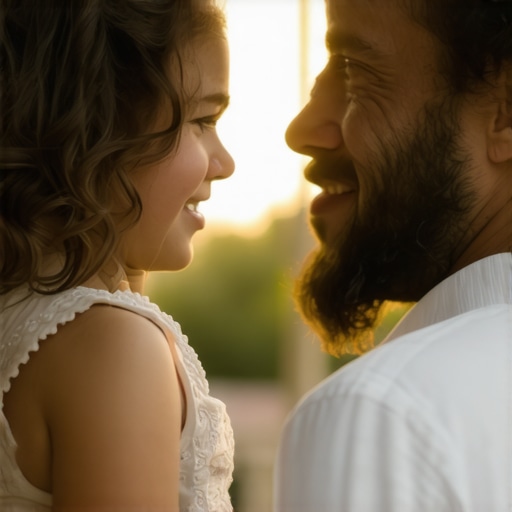
Reimagining Fatherhood: Does Emotional Vulnerability Actually Reinforce Strength?
Many dads hesitate to show vulnerability, fearing it might undermine their authority or perceived strength. However, emerging research suggests the opposite—that emotional openness fosters respect, trust, and a more authentic connection with children. When fathers model emotional health, they teach their children invaluable lessons about resilience—not through suppression, but through honest engagement with their feelings. This shift not only helps heal the internal struggles associated with the tough-it-out mentality but also redefines what it means to be a strong, dependable dad in the modern age.
How Can Fathers Cultivate Emotional Resilience Without Feeling Overwhelmed or Judged?
Building resilience involves developing emotional literacy and seeking supportive communities. Peer groups, therapy, and honest conversations with partners can serve as safe spaces for vulnerability. Research indicates that embracing emotional complexity reduces feelings of isolation and enhances overall mental health, leading to more meaningful family interactions. For further strategies, see this comprehensive resource. Sharing your journey and insights can also inspire others to break free from silence and forge genuine connections based on authenticity and mutual understanding.
Redefining the Stoic Dad: Emotional Literacy as a Foundation for Modern Fatherhood
The paradigm shift from viewing fathers solely as providers to recognizing them as emotionally literate figures demands an active dismantling of age-old norms. Empirical evidence from psychological research, such as the study published in the Journal of Family Psychology, underscores that fathers who develop emotional vocabulary and self-awareness foster more resilient and trusting relationships with their children. This transition is not merely about expressing feelings but involves cultivating a nuanced understanding of internal states, which requires deliberate effort and societal validation.
What mental frameworks support fathers in embracing emotional literacy without compromising their perceived strength?
Adopting cognitive-behavioral approaches that reframe vulnerability as a form of strength can be particularly effective. For example, integrating practices like mindfulness and emotional self-monitoring helps fathers recognize and articulate feelings that might previously have been dismissed as weakness. External support systems such as peer groups or counseling services serve as crucial scaffolds, reinforcing the view that emotional openness aligns with resilience, not fragility. For detailed strategies, consult the American Psychological Association’s guidelines on paternal mental health.
Facilitating Connection Through Rituals That Promote Emotional Sharing
Establishing regular familial rituals centered on emotional expression—such as gratitude circles, shared journal writing, or storytelling sessions—can significantly deepen emotional bonds. These practices serve as safe outlets, normalizing vulnerability within the household and providing predictable frameworks for children to observe and emulate helplessly, promoting intergenerational emotional intelligence. Incorporating these rituals requires intentionality but yields exponential benefits in fostering an environment of openness, trust, and mutual validation.
How do cultural backgrounds influence a father’s willingness to adopt emotional sharing rituals, and how can tailored approaches enhance engagement?
Cultural norms profoundly shape perceptions of masculinity and emotional expression. For instance, collectivist societies that prioritize familial harmony often facilitate more communal sharing practices, while individualistic cultures might emphasize personal boundaries. Recognizing these cultural nuances allows mental health professionals and family advocates to design culturally sensitive interventions. For example, integrating traditional storytelling or community ceremonies can bridge gaps, making emotional sharing more acceptable and meaningful within diverse contexts. To explore culturally adapted strategies, see the Cultural Psychology Journal’s recent publication.
Harnessing Digital Tools to Sustain Emotional Engagement in Fatherhood
The advent of technology has opened new avenues for fathers to cultivate and sustain emotional intimacy. Online communities, virtual support groups, and mobile apps targeting mental health literacy provide accessible platforms for sharing experiences and learning emotional skills. For example, structured programs like the Fatherly.com app incorporate modules on emotional awareness, with tailored exercises that encourage daily reflection and connection. These digital tools offer flexibility and continuous reinforcement, making emotional development an integral part of modern fatherhood.
What emerging technologies or platforms have the potential to revolutionize emotional literacy initiatives for dads worldwide?
Innovations such as artificial intelligence-driven coaching bots and virtual reality scenarios are poised to transform emotional training paradigms. AI companions can simulate conversations about feelings, providing non-judgmental spaces for dads to practice vulnerability, while virtual reality can immerse fathers in empathetic experiences that foster understanding of different emotional landscapes. Partnerships between tech developers and mental health experts are essential to ensure these tools are effective and culturally sensitive. Explore upcoming developments at TechCrunch’s coverage on mental health innovations.
Igniting a Cultural Movement Toward Emotional Equality in Families
Achieving sustainable change hinges on collective societal efforts that elevate emotional literacy as a cornerstone of healthy families. Educational campaigns, policy reforms, and media representations must challenge outdated stereotypes, illustrating fathers as emotionally available partners and caregivers. When society celebrates vulnerability alongside strength, it emboldens individual fathers to embrace authentic emotional expression without fear or shame. Advocates are encouraged to engage with organizations like the Emotional Justice Coalition, which champions these causes and provides resources for community-driven initiatives.
Unmasking Hidden Strengths Behind Vulnerability: Why Dads’ Tears Speak Volumes
In today’s evolving societal landscape, the act of a father shedding tears transcends mere emotional display; it embodies a complex assertion of strength that challenges entrenched stereotypes. The interconnectedness of emotional openness and resilience is now recognized by psychologists as a vital component of healthy masculinity, fostering trust and deepening familial bonds. As emotional intelligence gains prominence in family dynamics, understanding the subtle cues and internal processes that permit vulnerability without compromising authority becomes essential for both mental health professionals and progressive fathers.
The Scientific Underpinnings of Emotional Resilience in Fatherhood
Recent neuropsychological research, such as the studies published in the NeuroImage journal, elucidates how emotional regulation enhances neural plasticity, enabling fathers to adapt and thrive amidst familial pressures. By consciously engaging in emotional labor—be it through mindfulness practices or expressive storytelling—dads reinforce neural pathways that bolster resilience, flexibility, and a sense of self-efficacy. This scientific perspective underscores that emotional expression is not an antithesis to strength but a neurological foundation for it.
How Cultural Paradigms Shape Emotional Frontlines for Fathers
Cultural norms, remarkably, act as both barriers and catalysts in the journey towards emotional authenticity. For instance, collectivist societies may emphasize stoicism to preserve group harmony, while individualistic cultures might valorize openness as a sign of independence. Recognizing these paradigms allows mental health advocates to tailor interventions that resonate authentically with diverse paternal backgrounds, ultimately fostering environments where emotional expression is seen as compatible with strength rather than a sign of weakness.
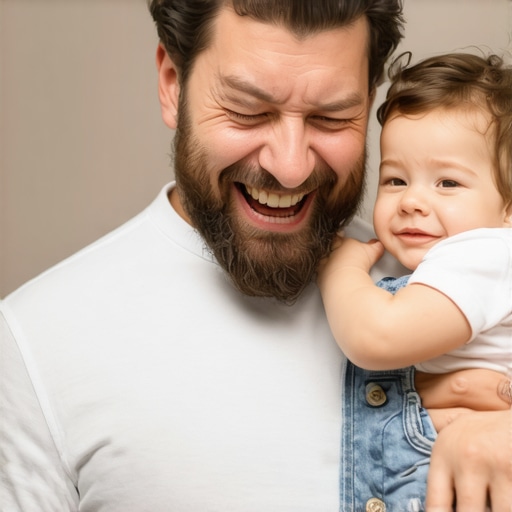
Breaking the Silence: Strategies for Cultivating Emotional Literacy in Fathers
Advanced psychoeducational programs now integrate cognitive-behavioral techniques and narrative therapy to empower fathers with the skills necessary for emotional articulation. Facilitating peer-led circles and integrating digital storytelling platforms serve as innovative approaches to normalize vulnerability. Moreover, incorporating culturally sensitive modules ensures these strategies are inclusive, acknowledging and respecting varied emotional expression norms worldwide. Engaging in such comprehensive programs can catalyze a metamorphosis from the traditional stoic archetype to a more resilient and emotionally literate fatherhood model.
Implementing Technology to Amplify Emotional Connection
The digital age offers unprecedented opportunities for fathers to nurture emotional bonds beyond physical proximity. Virtual reality simulations that mimic empathetic experiences, AI-driven chatbots providing emotional coaching, and mobile apps focused on mood tracking are revolutionizing the way fathers practice emotional literacy. These tools facilitate ongoing self-awareness and allow for real-time emotional regulation, thereby embedding resilience within daily routines. If harnessed thoughtfully, technology can serve as both a mirror and a amplifier of authentic fatherly emotion.
What role can virtual reality and artificial intelligence play in transforming fatherhood narratives and emotional engagement?
Emerging technologies have the potential to reshape perceptions by providing immersive experiences that foster empathy and understanding. Virtual reality can simulate scenarios where fathers navigate challenging emotional situations, building their capacity for resilience. Simultaneously, AI-powered platforms can offer personalized feedback on emotional language, helping fathers articulate feelings more effectively. Collaborations between technologists, psychologists, and cultural scholars are vital to ensuring these innovations support diverse expressions of masculinity and emotional strength, guiding a new era where vulnerability and resilience coexist seamlessly.
Championing Policy Changes to Normalize Emotional Expression in Fatherhood
Institutional reforms, such as parental leave policies and workplace mental health initiatives, are instrumental in shifting societal perceptions. When governments incentivize emotional well-being as a core component of paternal responsibilities, they contribute to dismantling stigmas. Engaging policymakers with evidence from neuroscience and social psychology can accelerate the adoption of strategies that promote emotional literacy, ultimately redefining what it means to be a resilient, expressive father in the modern world.
Expert Insights That Shift Perspectives
Challenging Masculine Norms Enhances Emotional Resilience
Revisiting traditional masculinity frameworks reveals that vulnerability fosters authentic strength, leading to healthier father-child relationships and improved mental health outcomes for dads. Embracing emotional openness not only dismantles stereotypes but actively contributes to resilient fatherhood practices.
Neuroscience Supports Emotional Expression as a Resilience Builder
Emerging neuropsychological studies indicate that emotional articulation rewires neural pathways, reinforcing adaptive responses to familial stressors. Mothers and fathers who foster emotional literacy cultivate brains more capable of resilience and empathy, vital for enduring familial roles.
Societal Change Accelerates Through Policy and Cultural Shifts
Legislative reforms like parental leave and mental health initiatives validate emotional vulnerability, encouraging societal acceptance. Cultural narratives that highlight fathers’ emotional journeys further normalize vulnerability as an integral component of strength.
Technology Empowers Fathers With Tools for Emotional Growth
Innovative apps and virtual communities offer accessible platforms for emotional skill development, fostering ongoing self-awareness and connection. These digital resources serve as catalysts in reshaping perceptions of masculinity and paternal resilience.
Intergenerational Narratives Reinforce Emotional Openness
Sharing personal stories across generations cultivates understanding of vulnerability’s power, laying a foundation for healthier future fatherhood models. Authentic storytelling fosters empathy, diminishing internalized stigma around emotional expression.
Valuable Resources to Deepen Expertise
- – American Psychological Association’s Guidelines on Paternal Mental Health: Offers evidence-based strategies supporting emotional literacy among fathers.
- – NeuroImage Journal: Publishes cutting-edge research on neuroplasticity linked to emotional regulation and resilience.
- – Cultural Psychology Journal: Explores how cultural backgrounds influence emotional norms and practices.
- – TechCrunch’s Coverage on Mental Health Advances: Highlights emerging technologies facilitating emotional engagement for fathers worldwide.
- – Crystalkid’s Emotional Development Apps: Provides practical tools for self-guided emotional growth tailored for dads.
Redefining Strength Through Authentic Connection
Ultimately, fostering emotional vulnerability within fatherhood enriches familial bonds and promotes mental health resilience. Beyond societal expectations, embracing one’s authentic emotional landscape elevates the spirit of modern dads. Engage with these insights and resources to pioneer a shift that recognizes vulnerability not as weakness, but as the cornerstone of genuine strength. Your journey contributes to a broader movement where emotional literacy shapes the future landscape of fatherhood—reach out, share your experiences, and join the conversation on advancing this vital initiative.
Reading this post really hits close to home. As a dad, I often feel the pressure to be the ‘rock’ of the family, which sometimes means suppressing my own feelings to stay strong for my kids and partner. Over the years, I’ve come to realize that showing vulnerability—like shedding a few tears during emotional moments—actually deepens our connection and models healthy emotional expression for my children. It’s a continuous journey, but I’ve found that creating space for open conversations and sharing personal stories can transform family dynamics.
I wonder how cultural backgrounds influence a father’s willingness to embrace emotional sharing. For families from more traditional or collectivist societies, what strategies have you found effective in encouraging emotional openness without feeling like it undermines masculinity? It seems that respecting cultural norms while gently shifting perceptions is key. Would love to hear others’ experiences and insights on fostering authentic emotional bonds across different cultural contexts.
This post resonates deeply with my own experience as a father balancing cultural expectations and emotional openness. I’ve seen firsthand how the pressure to remain stoic, especially in traditional communities, can create internal barriers for dads to express vulnerability without feeling like they’re risking their authority. Personally, I began encouraging my sons to share their feelings through small, culturally familiar rituals like storytelling or shared meals, which gradually opened up space for genuine emotional conversations.
I’m curious, how have others navigated the challenge of fostering emotional honesty in environments where masculinity is strongly associated with toughness? What strategies have been effective in transforming these norms without alienating or causing discomfort? I believe that small, consistent efforts to normalize vulnerability can serve as powerful catalysts for change, but understanding diverse approaches would be incredibly valuable. Looking forward to hearing different perspectives!