
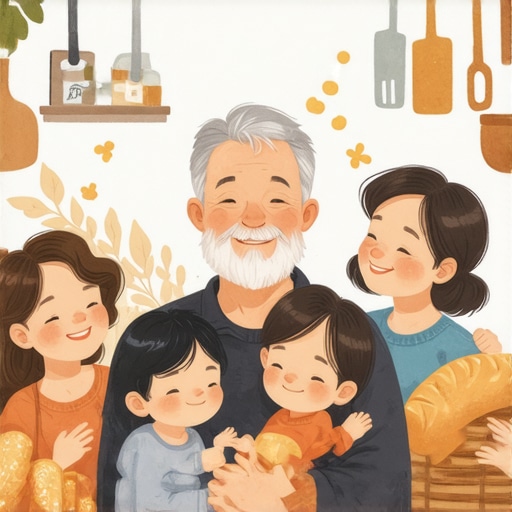
The Unspoken Toll of Breadwinner Expectations on Modern Dads
In the complex landscape of contemporary fatherhood, the archetype of the resilient, unwavering provider remains deeply ingrained. Yet, beneath the surface lies a profound emotional undercurrent characterized by sentiments often concealed by societal norms. Recognizing how breadwinner pressure influences a father’s capacity to navigate emotional challenges, especially when confronting personal vulnerabilities such as tears and sentimentality, is essential for fostering healthier familial dynamics.
Decoding the Cognitive Load and Emotional Suppression in Paternal Roles
Research indicates that traditional masculinity standards perpetuate the suppression of vulnerability among fathers, compelling them to maintain an image of stoicism. This phenomenon intensifies under the weight of breadwinner duties, where economic stability becomes intertwined with notions of masculinity and self-worth. Consequently, many dads experience a ‘silent tear’—an internal emotional struggle that remains unvoiced due to fear of perceived weakness or failure.
Societal Expectations Versus Authentic Sentimentality
An intrinsic tension exists between societal expectations of fathers as head of household and the authentic emotional experiences that these men undergo. Deep sentimentality, often viewed as a sign of emotional fragility, is paradoxically a vital facet of genuine paternal identity. Embracing this duality can enhance emotional resilience and promote healthier communication within the family unit.
What Drives the Fear of Visible Tears in Dads? An Expert Perspective
From a psychological standpoint, the reluctance to display tears stems from deeply embedded social constructs and personal fears of emasculation. This reluctance can be compounded by the pressure to serve as the primary breadwinner, validatable in studies such as those published in the Journal of Family Psychology. Recognizing these drivers is crucial for developing effective interventions aimed at deconstructing harmful stereotypes and encouraging emotional authenticity among fathers.
Harnessing Emotional Intelligence to Redefine Fatherhood Roles
Advanced approaches advocate for integrating emotional intelligence training in paternal roles, emphasizing that strength encompasses vulnerability and openness. Such strategies not only mitigate the adverse effects of emotional suppression but also foster a supportive environment where a father’s deep sentimentality becomes a source of familial cohesion rather than perceived weakness.
How Can Fathers Reconcile Societal Expectations with Authentic Emotional Expression Under Economic Pressures?
This question reflects the ongoing debate among mental health professionals and social scientists about balancing societal roles and personal authenticity. Practical solutions include community support groups, mental health education, and increasing public discourse on paternal vulnerability. For further insights, explore the comprehensive analysis presented in this expert article.
Engaging with these concepts encourages fathers to challenge outdated norms, fostering an environment where emotional expression, including tears, is viewed as an integral component of resilient fatherhood—particularly within the high-stakes context of being the main head of household. Recognizing and addressing the sentimental triggers behind silent tears can profoundly influence family health and societal perceptions of masculinity.
Redefining Masculinity: The Power of Authentic Emotional Expression
In a world where traditional gender roles often equate stoicism with strength, redefining masculinity becomes essential for fostering healthier emotional landscapes. Dads who openly express their sentimentality challenge outdated stereotypes, paving the way for a more genuine form of strength rooted in vulnerability and authenticity. This shift not only benefits personal well-being but also models vital emotional skills for their children, promoting resilience and empathy within the family unit.
Strategies for Cultivating Emotional Resilience Amid Economic Pressures
Economic responsibilities, as highlighted in this insightful article, often intensify the emotional burden on fathers. To navigate these pressures, adopting practical strategies such as mindfulness practices, establishing support networks, and engaging in reflective journaling can help manage stress while preserving emotional authenticity. These approaches create a foundation for fathers to remain resilient without suppressing genuine feelings of sentimentality.

Can Embracing Vulnerability Transform How Society Views Fatherhood?
From a sociocultural perspective, embracing vulnerability among fathers has the potential to reshape societal norms and expectations. When men demonstrate openness about their emotional experiences, especially in contexts of financial and familial responsibilities, it challenges the stereotype of the unshakable breadwinner. This broader acceptance can foster community dialogues that normalize emotional expression, ultimately leading to a more inclusive definition of masculinity that values empathy as much as resilience.
Empowering Fathers Through Incremental Change and Community Support
Progressing toward a more emotionally expressive fatherhood involves both personal efforts and systemic support. Initiatives such as fatherhood workshops, mental health campaigns, and peer-led discussion groups serve as catalysts for change. These platforms provide safe spaces where men can share experiences, confront emotional barriers, and develop new skills for managing sentimentality healthily, reinforcing that strength and vulnerability are not mutually exclusive.
Challenging the Silence: How Emotional Expressiveness Strengthens Family Bonds
Emerging research underscores that when fathers openly exhibit their emotional vulnerabilities, including tears and sentimentality, they set a powerful example for their children, fostering healthier emotional development. This active display of authenticity derails harmful stereotypes, replacing notions of stoic invincibility with relatable strength rooted in transparency and empathy. Families that embrace this paradigm shift often experience enhanced communication, deeper trust, and resilience that withstands life’s inevitable challenges.
The Neuroscience of Emotional Suppression and Its Long-Term Impact
Recent neuroscientific studies, such as those published in the Journal of Neuroscience and Psychology, reveal that persistent emotional suppression activates the amygdala in ways that can impair emotional regulation over time. For fathers balancing economic responsibilities, chronic suppression may lead to increased anxiety, depression, and even physical health issues like cardiovascular disease. Recognizing these physiological consequences emphasizes the importance of fostering environments where emotional expression is safe and normalized for men, particularly those acting as primary breadwinners.
#{IMAGE_PLACEHOLDER_C}
Unearthing Deep-Rooted Cultural Narratives That Hindrance Authenticity
From historical patriarchal frameworks to modern media portrayals, cultural narratives have historically perpetuated the idea that emotional stoicism is a defining trait of masculinity. Such narratives can create internal conflicts among fathers, especially when personal sentimentality clashes with societal expectations. Challenging and recontextualizing these stories requires a collective effort, involving education, media representation, and community dialogues that celebrate vulnerability as a form of strength rather than weakness.
Practical Steps for Fathers to Cultivate Authentic Emotional Presence
Implementing change begins with intentional actions: practices like mindfulness meditation can heighten emotional awareness, while engaging in reflective journaling allows for processing complex feelings safely. Building peer support networks enables sharing experiences and normalizing sentimentality in fatherhood. Moreover, seeking guidance from mental health professionals trained in masculine psychology can assist in dismantling internal barriers to vulnerability. Such strategies foster not only emotional health but also model resilience for future generations.
Unlocking the Hidden Dimensions of Fatherly Sentimentality Amid Economic Strain
In the intricate fabric of modern masculinity, the dichotomy between financial responsibility and emotional expression often manifests as an unspoken tension. Research highlights that societal norms implicitly endorse a stoic ideal for fathers, especially those bearing the weight of economic provisioning. This paradox, where vulnerability is cloaked beneath a veneer of strength, warrants a nuanced exploration to understand its implications for both individual well-being and familial health.
Deciphering the Neurobiological Underpinnings of Emotional Suppression in Breadwinner Dads
Emerging neuropsychological studies indicate that chronic suppression of feelings activates the anterior cingulate cortex in ways that alter emotional regulation pathways. Such neural adaptations, particularly prevalent among primary breadwinners, may predispose fathers to heightened stress responses and cardiovascular risks. Recognizing this biological consequence underscores the necessity for targeted interventions that facilitate healthy emotional discharges without compromising perceived masculinity.
Can Cultural Reframing Empower Fathers to Embrace Sentimentality Without Fear?
Counteracting entrenched stereotypes involves an active redefinition of masculinity—highlighting that emotional openness enhances resilience rather than undermines it. Initiatives rooted in cultural reimagining, including media representations and community storytelling, serve as potent tools to normalize sentimentality as a masculine strength. This societal shift can foster environments where fathers feel safe to express genuine emotions, strengthening familial bonds and psychological robustness.
Harnessing Empathy and Brain Plasticity: Strategies for Deep-Emotional Engagement
By leveraging neuroplasticity principles, fathers can cultivate greater emotional agility through deliberate practices such as empathic listening and reflective dialogues. Engaging in mindfulness-based stress reduction programs tailored for men can recalibrate neural responses, diminishing the stigma associated with tears and vulnerability. These techniques, when integrated into daily routines, create a sustainable foundation for authentic emotional presence.
What sophisticated methods can mental health professionals employ to dismantle paternal emotional barriers rooted in economic identity?
Advanced therapeutic modalities like neurofeedback and experiential trauma processing, combined with gender-sensitive psychoeducation, offer promising avenues. Collaborations with sociologists and neuroscientists can enrich these interventions, addressing the complex interplay between neurobiological patterns and societal narratives. For further detailed strategies, consult the comprehensive guidelines outlined in the Journal of Marital and Family Therapy.
Engaging with these layered insights provides a pathway for fathers to transcend traditional limitations, embracing vulnerability as a facet of resilient masculinity that enriches both personal identity and family cohesion.
Expert Insights That Challenge Conventional Norms
Reframe Masculinity Through Emotional Resilience
Advanced research highlights that true strength in fathers includes vulnerability, not suppression. Recognizing that emotional openness fosters deep familial bonds can redefine societal perceptions of masculinity and promote healthier family dynamics.
Implement Neurobiological Approaches to Emotional Regulation
Emerging neuropsychology suggests that practices like neurofeedback and mindfulness can reshape neural pathways, reducing the stigma around tears and sentimentality, especially for breadwinner dads managing societal expectations of stoicism.
Leverage Socio-Cultural Narratives for Greater Acceptance
By actively challenging and rewriting cultural stories that equate masculinity with emotional restraint, communities can facilitate a shift towards embracing genuine sentimentality as a masculine ideal, strengthening family resilience.
Prioritize Systemic Support and Community Engagement
Implementing peer-led support groups, fatherhood programs, and public awareness campaigns can create safe spaces for emotional expression, validating vulnerability as a core component of modern fatherhood.
Key Resources for Deepening Understanding
- The Man Box: Explores societal norms restricting male emotional expression and offers pathways for change.
- Journal of Family Psychology: Publishes cutting-edge research on family dynamics and emotional health in fathers.
- Psychology Today: Features accessible articles on emotional intelligence and masculinity reform.
- This expert article: Offers insights into the impact of breadwinner stress on paternal emotional expression.
- Men’s Health: Provides practical strategies for emotional resilience tailored for fathers managing economic and societal pressures.
Synthesis and Call to Action
In navigating the intricate dance of being the main head of household, recognizing that emotional vulnerability enhances rather than diminishes a father’s strength is revolutionary. By integrating expert insights and resources on deep sentimentality and societal expectations, fathers can lead a paradigm shift that benefits their well-being and the emotional health of their families. Engage more deeply with these perspectives, challenge outdated norms, and foster a culture where authentic emotional expression among dads is celebrated and normalized.
,
Reading this post really resonated with me. Growing up, I was taught that showing emotion was a sign of weakness, especially as a man, and that I had to be the primary breadwinner to prove my masculinity. Over time, I realized how much emotional suppression was affecting my mental health and my relationships. It’s inspiring to see a focus on redefining masculinity—recognizing that vulnerability, like tears and sentimentality, can actually strengthen family bonds rather than weaken them. I’ve started practicing mindfulness and journaling, which has helped me process feelings I used to ignore or bury. I wonder how other fathers balance their societal roles with authentic emotional expression? Are there specific community programs or support groups that you’d recommend for dads working through these challenges?
This post really hits home on how societal expectations often force fathers into emotional confinement, especially when being the primary breadwinner. From my own experience, I used to think that showing any vulnerability might be seen as a weakness, which only led to stress and emotional burnout. Over time, I’ve learned that embracing my feelings and talking openly with my family actually creates a deeper, more trusting bond. I think support groups tailored specifically for dads trying to navigate these pressures could be incredibly helpful—particularly those that focus on mental health and emotional intelligence. Has anyone here found local or online communities that really make a difference? Additionally, I’m curious about how workplaces are evolving in supporting fathers’ emotional well-being outside home as well, especially with the ongoing shift toward more inclusive policies.
This post really sheds light on a reality many fathers face but rarely talk about openly. The emotional toll of constantly fulfilling the breadwinner role while trying to stay stoic can be overwhelming, especially when societal norms equate vulnerability with weakness. I’ve personally experienced moments where I felt overwhelmed but hesitated to show it, fearing it might be seen as a failure. Over the years, I’ve found that open conversations with my partner and participating in local father support groups have made a noticeable difference. It’s fascinating how redefining masculinity to include emotional openness can foster deeper family bonds and support mental health. I wonder, what are some effective ways workplaces are integrating policies to support emotional well-being for fathers dealing with these pressures? It seems like a crucial area where systemic change could really help shift perceptions and norms.
This article really brings to light how entrenched the silence around paternal vulnerability still is, especially when economic pressures are so high. I’ve noticed in my circle that many fathers feel compelled to hide their feelings because they worry it might suggest weakness, which can be a real obstacle to emotional health. I personally have started encouraging open dialogues in our family about feelings and stress, and it’s made a noticeable difference in how my partner and I approach challenges together. Also, I’ve seen some promising community programs aimed at supporting dads through these emotional barriers, like local support groups and mental health workshops tailored for men. It makes me wonder, how can workplaces better foster environments that allow fathers to express vulnerability without fear of judgment? Are there companies successfully implementing policies that support emotional well-being for working dads? It seems like systemic change is key to breaking down these outdated norms.
This post really captures a crucial yet often overlooked aspect of modern fatherhood—the internal emotional battle many dads face under societal and economic pressures. I’ve observed personally how the societal expectation to be the stoic provider can create barriers to genuine connection, both with children and partners. It’s inspiring to see the emphasis on redefining masculinity through vulnerability and emotional honesty. I’ve found that starting small—like sharing feelings with trusted friends or attending local support groups—can be very impactful. It makes me curious, what are some effective community initiatives or workplace programs you’ve seen that genuinely support dads in embracing their emotional side? I believe systemic change, paired with personal courage, can help reshape what strength really means in fatherhood.
This post really underscores the internal conflict many fathers grapple with—balancing societal expectations of strength and resilience with genuine emotional needs. I have personal experience with this, and I believe that creating more open spaces for men to share feelings, whether through community support groups or workplace initiatives, could make a big difference. It’s encouraging to see the focus shifting toward vulnerability being a source of strength rather than weakness. I’ve found that small acts, like honest conversations with trusted friends or family, help break down the stigma around emotional expression. Do you think that, as a society, we’re moving fast enough to redefine masculinity? And what kinds of policies or programs have you all seen that effectively support fathers in these emotional journeys? It’s clear that systemic change paired with personal efforts can foster a healthier environment for emotional authenticity.
This post really highlights the complex emotional landscape that modern dads navigate, especially when societal expectations of strength and resilience are so deeply ingrained. I remember my father rarely showed vulnerability, which made me wonder if expressing feelings equated to weakness. Over time, I noticed how suppressing emotions affected his health and our relationship. What struck me most is the emphasis on redefining masculinity through genuine emotional expression—something I believe is crucial for healthier family dynamics. I’ve personally found that supportive community groups and mental health resources can provide a safe space for dads to share and process feelings. Does anyone here have experiences with local or online groups that have helped them break through emotional barriers? I’d love to hear stories of how embracing vulnerability has positively impacted family bonds and personal well-being.