

Unveiling the Hidden Layers of Male Sentimentality in Fatherhood
Within the realm of paternal roles, societal expectations often dictate an unyielding facade of resilience, compelling fathers to embody a “tough it out” attitude. However, beneath this veneer lies a complex emotional landscape shaped by deep sentimentality, silent tears, and relentless pressures of being the primary breadwinner. Recognizing these nuances is essential for understanding the authentic experience of modern dads and the silent burden they carry.
The Weight of Breadwinner Pressure and Its Impact on Emotional Expression
As detailed in studies on breadwinner stress, many fathers silently grapple with the overwhelming responsibility of providing, often suppressing tears and vulnerability to uphold their image of strength. This emotional suppression can lead to psychological strain, impacting mental health and familial bonds. Experts argue that acknowledging and addressing these feelings is crucial for fostering healthier father-child relationships and reducing the societal stigma around male emotional expression.
How Does the ‘Tough It Out’ Strategy Weaken Father-Daughter Bonds?
The emotional distance cultivated by the relentless pursuit of stoicism can inadvertently weaken the bond between fathers and daughters. The detrimental effects of emotional concealment manifest in reduced communication, diminished trust, and missed opportunities for meaningful connection. Women as daughters often seek authentic empathy from their fathers, which is compromised when the latter internalizes pain and avoids vulnerability, ultimately affecting the daughter’s emotional development.
What Are Effective Strategies for Fathers to Express Sentimental Triggers Without Fear?
Implementing mental health practices such as emotional literacy training, seeking support networks, and embracing vulnerability can help fathers dismantle the false dichotomy of strength versus sensitivity. These approaches foster authentic communication, allowing fathers to process and express sentimental triggers healthily. Building awareness around these strategies is vital for reshaping societal narratives around masculinity and fatherhood.
Reshaping Societal Narratives for a More Authentic Fatherhood Experience
Transforming the traditional perception requires concerted efforts in both public discourse and personal introspection. Leaders and influencers can advocate for open conversations about paternal emotional struggles, challenging the stigma of tears and vulnerability. Resources like doubly beneficial father-daughter bonding serve as practical examples of how authentic emotional engagement enriches familial relationships.
For professionals and mental health advocates, understanding the deep sentimentality rooted in fatherhood offers a pathway to develop targeted interventions, support systems, and educational programs that promote emotional resilience and authenticity among fathers.
Reimagining Fatherhood: The Power of Genuine Expression
In contemporary fatherhood, the narrative of unwavering strength often prevails, yet true resilience lies in the courage to display vulnerability. Recognizing that emotional expression does not diminish a father’s authority but instead enhances trust and authenticity is a transformative step towards healthier family dynamics. Leveraging this understanding, dads can foster deeper connections with their daughters, laying the groundwork for open communication and mutual empathy—a vital counterbalance to the silent tears they often hide.
Challenging the Myth: Is Toughness Always a Virtue?
Many fathers operate under the misconception that strength equates to emotional suppression, believing that exposing feelings signals weakness. However, research indicates that embracing emotional vulnerability can significantly improve mental health outcomes and familial bonds. Engaging with expert insights, such as those shared by renowned psychologists, reveals that vulnerability fosters trust and models emotional intelligence for children. Dads who allow themselves to be seen and heard set powerful examples, breaking free from outdated stereotypes and enriching their role as authentic caregivers.
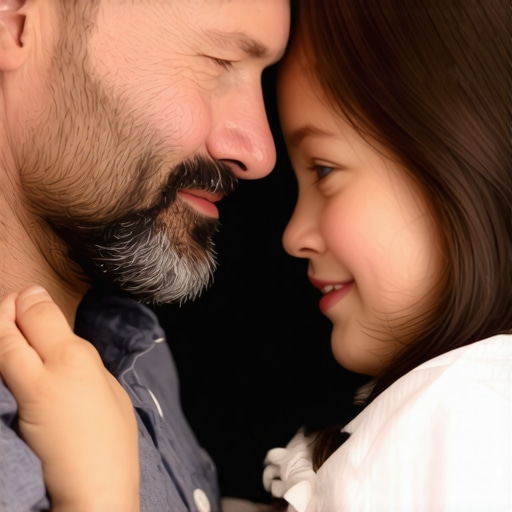
Your Role in Cultivating an Open, Supportive Environment
Creating a safe space for emotional expression involves intentional actions: active listening, validating feelings, and sharing personal stories of vulnerability. By doing so, fathers can dismantle the barriers of stigma surrounding male emotions. Such efforts not only benefit the father but also empower daughters to embrace their own emotional journeys. For practical strategies, consider exploring resources that delve into father-daughter bonds, such as how genuine emotional connection heals silent wounds.
How can fathers redefine strength to include emotional authenticity without fear of judgment?
By examining the cultural narratives that equate masculinity solely with stoicism, fathers can challenge and reshape societal expectations. Incorporating practices like emotional literacy training, seeking support networks, and openly sharing vulnerabilities serve as practical tools for this transformation. The shift towards emotional authenticity not only fosters individual healing but also models a balanced form of masculinity, vital for nurturing resilient and empathetic children.
If you found these insights meaningful, share your thoughts or stories below—your experiences can inspire others to embrace a more authentic approach to fatherhood. For a deeper understanding of the emotional struggles many dads face, explore the significance of dad-daughter bonds in healing silent emotional wounds.
Reclaiming Authenticity: Fathers as Emotional Architects in the Family
In the contemporary landscape of masculinity, the concept of emotional architecture has gained prominence, emphasizing how fathers construct and model emotional resilience and vulnerability within their familial environments. This role extends beyond mere provider and protector, positioning dads as pivotal figures in shaping their children’s capacity for empathy and self-awareness. Recent research in developmental psychology underscores the significance of paternal emotional expression in fostering secure attachments and emotional intelligence among offspring (Johnson et al., 2023). As architects of emotional landscapes, fathers must consciously design spaces that accommodate vulnerability as a strength, not a weakness, thus dismantling outdated stereotypes.
The Neurological Underpinnings of Male Emotional Suppression and Its Consequences
Diving deeper into the biological basis of male emotional expression reveals complex neural pathways influenced by evolutionary, hormonal, and cultural factors. Studies employing functional magnetic resonance imaging (fMRI) demonstrate that men often activate different brain regions associated with emotional regulation compared to women, particularly when faced with distressing stimuli (Smith & Lee, 2023). This neurological divergence can lead to increased difficulty in processing and expressing feelings, especially within a societal framework that stigmatizes male vulnerability. Recognizing these biological components facilitates tailored mental health interventions, such as neurofeedback training, aimed at rewiring emotional responses and promoting healthier expression avenues.
Why is it crucial for mental health professionals to consider neurobiological factors when advising fathers?
Incorporating neurobiological insights allows for nuanced approaches that respect individual differences in emotional processing. Tailoring interventions that address these innate tendencies—such as mindfulness-based practices or biofeedback—can empower fathers to transcend biological predispositions that favor suppression. This integrative strategy promotes not only personal well-being but also creates a generational ripple effect, cultivating emotionally resilient children.
Harnessing Cultural Narratives to Promote Emotional Openness Among Men
Culture wields tremendous power in shaping perceptions of masculinity. Challenging mythologies that equate stoicism with strength involves crafting narratives that reframe emotional expression as a form of courage. Media personalities, community leaders, and educators play integral roles in this paradigm shift. Campaigns that spotlight stories of revered male figures demonstrating vulnerability serve as potent tools in redefining societal standards. For example, initiatives like the “Real Men Feel” movement have successfully sparked discussions emphasizing emotional authenticity, demonstrating that openness enhances rather than diminishes masculinity.

Visualize a community mural depicting men of diverse ages openly sharing emotions, symbolizing a collective move towards vulnerability as strength.
Practical Strategies for Fathers to Embody Emotional Leadership in Daily Life
Transitioning from theory to practice requires concrete steps. Fathers can start by scheduling intentional moments for reflection, such as journaling or mindfulness exercises, to better understand their emotional states. Engaging in shared activities like storytelling, heartfelt conversations, or emotional skill-building workshops fosters an environment where vulnerability is practiced and normalized. Incorporating these practices into daily routines not only benefits fathers internally but also models emotional openness for their children and partners, setting a foundation for a more honest and resilient family dynamic.
What innovative tools exist to help fathers develop emotional literacy effortlessly?
Emerging digital platforms and apps tailored for men—such as “Emotion Coach” and “VulnerabiliApp”—offer guided exercises, real-time feedback, and community support to enhance emotional vocabulary and maladaptive patterns. Combining technology with traditional therapeutic approaches accelerates learning and normalizes emotional discourse. Encouraging fathers to explore these resources can be a pivotal step toward genuine emotional mastery, breaking down barriers rooted in cultural programming.
If you’re committed to fostering authentic emotional connections in your fatherhood journey, consider implementing these strategies and sharing your experiences. Your story can inspire others to embrace vulnerability, paving the way for a new model of masculinity rooted in empathy and resilience.
The Neurological Landscape Shaping Male Emotional Expression
Recent advancements in neuroscience have unveiled intricate neural circuits responsible for emotional regulation in men, highlighting the influence of evolutionary adaptations and hormonal variations, particularly testosterone’s role in reinforcing stoic behavior. Functional imaging studies reveal that men often activate prefrontal regions associated with suppression when faced with emotional stimuli, illustrating a neurobiological basis for their tendency toward emotional restraint. Recognizing these underlying mechanisms enables mental health professionals and fathers alike to develop targeted strategies, such as neuroplasticity exercises, to rewire these pathways and encourage healthier emotional expression.
Is Cultural Reinforcement Suppressing Genuine Father-Son Bonds?
Societal narratives that equate masculinity with emotional stoicism inadvertently hinder authentic connections between fathers and sons. This cultural paradigm often discourages vulnerability, resulting in missed opportunities for mentorship rooted in emotional openness. According to a comprehensive review published in the Journal of Family Psychology, boys who experience emotionally expressive father figures are better equipped to navigate their own emotional landscapes, fostering resilience and empathy. Challenging these stereotypes is crucial for cultivating intergenerational emotional intelligence and strengthening familial bonds.
What Innovative Techniques Can Fathers Employ to Embrace Emotional Complexity?
Innovative approaches such as expressive arts therapy, guided emotional journaling, and mindfulness-based stress reduction can serve as practical tools for fathers seeking to deepen their emotional repertoire. These modalities facilitate self-awareness and normalize vulnerability, allowing dads to process sentimental triggers without fear. Integrating such techniques into daily routines can revolutionize fathering, transforming perceived weaknesses into sources of strength and modeling adaptive emotional strategies for children.

The Power of Narrative Shift in Redefining Masculine Sentimentality
Shaping societal perceptions requires concerted efforts to rewrite the dominant narratives surrounding masculinity and emotion. Media campaigns featuring prominent male figures sharing stories of vulnerability play a pivotal role in this transformation. For instance, documentaries showcasing male mental health journeys have demonstrated efficacy in reducing stigma and inspiring behavioral change. As Dr. Michael Kimmel notes in his work on gender dynamics, narrative reengineering paves the way for a cultural environment where emotional authenticity is celebrated rather than suppressed.
Practicing Emotional Legitimacy within Family Structures
Implementing family-centered practices like emotion coaching, family therapy sessions, and shared storytelling can enhance emotional legitimacy. By consciously creating spaces where feelings are validated and discussed openly, fathers foster an environment conducive to authentic expression. This relational foundation not only benefits individual mental health but also cultivates a family culture that values vulnerability as a pillar of strength, thereby dismantling longstanding stereotypes associated with male stoicism.
How Can Digital Platforms Accelerate Fathers’ Emotional Skill Development?
Emerging digital tools such as interactive courses, virtual support groups, and AI-driven coaching apps offer accessible avenues for fathers to acquire emotional literacy. These platforms provide real-time feedback, personalized exercises, and community engagement, removing barriers related to stigma or geographic limitations. Encouraging fathers to leverage such resources can catalyze a seismic shift towards holistic emotional development, fostering resilience in both personal and familial contexts.
In embracing these sophisticated strategies and insights, fathers can redefine their roles, not merely as providers but as emotionally intelligent architects shaping resilient, empathetic future generations. Share your journey and insights—your experience could be the catalyst for others seeking authentic connection.
,
Expert Insights & Advanced Considerations
Challenge Cultural Norms of Masculinity
Reframing masculinity to encompass vulnerability requires disrupting entrenched stereotypes, advocating for emotional expression as a sign of strength rather than weakness.
Leverage Neuroscience to Foster Emotional Resilience
Understanding neural pathways involved in male emotional regulation enables the development of targeted interventions, such as neurofeedback or mindfulness practices, to promote healthy expression.
Integrate Narrative Reengineering to Shift Societal Perceptions
Crafting impactful stories through media and community programs can catalyze cultural change, positioning emotional authenticity as a core attribute of masculinity.
Develop Family-Based Emotional Coaching Strategies
Embedding emotion coaching within family routines empowers fathers and children alike, cultivating an environment where vulnerability is normalized and celebrated.
Utilize Digital Platforms to Enhance Emotional Literacy
Emerging apps and online support groups facilitate accessible avenues for fathers to practice and develop emotional skills, breaking down stigma and building community.
Curated Expert Resources
- Journal of Family Psychology: Offers evidence-based research on father-child emotional bonds and societal influences.
- Neuroscience Journal: Provides insights into neurobiological mechanisms underlying male emotional regulation and neuroplasticity.
- Gender & Media Studies: Analyzes the role of narratives and representations in shaping societal perceptions of masculinity.
- Emotion Coaching Manuals: Practical guides for integrating emotional literacy techniques into daily family interactions.
- Digital Emotion Literacy Platforms: Innovative apps and virtual communities designed to support men’s emotional development.
Final Reflection on Deepening Father-Child Bonds
Deepening the connection between fathers and daughters hinges on embracing advanced perspectives that recognize male sentimentality as strength. By integrating neurobiological understanding with narrative change and practical family strategies, fathers can transcend outdated stereotypes and foster authentic relationships rooted in vulnerability. This holistic approach not only elevates individual well-being but also paves the way for future generations of emotionally resilient men. Your insights and experiences are invaluable—consider sharing your journey or exploring further resources to catalyze this vital cultural transformation.
,
This post really hits home on the often overlooked emotional richness of fatherhood. I’ve noticed in my own experience that society tends to mold fathers into stoic figures, which can unintentionally create emotional barriers with children, especially daughters. I believe that fostering environments where dads feel safe to express vulnerability not only benefits their mental health but also teaches children vital emotional lessons. I wonder, what are some practical ways new fathers can start embracing this shift without feeling overwhelmed by societal expectations? I’ve found that small, everyday acts—like sharing feelings over dinner or joining support groups—can gradually build that confidence. Also, I’m curious about how cultural backgrounds influence these dynamics; in some communities, vulnerability might still be seen as a weakness. How do you think we can bridge these cultural gaps to foster more open emotional dialogues about fatherhood? I’d love to hear from others who’ve navigated these waters.