

The Evolution of the Dads’ Tough It Out Attitude in a Changing Socioeconomic Landscape
In an era where traditional notions of masculinity are increasingly scrutinized, the entrenched belief that fathers must always demonstrate emotional resilience—often termed the tough it out attitude—faces unprecedented challenges. As society redefines the parameters of paternal strength, understanding the deep sentimentality and emotional triggers that influence fatherly conduct has become crucial for both researchers and practitioners committed to fostering healthier family dynamics.
Decoding the Psychological Impact of Breadwinner Pressure on Fathers
The societal expectation for fathers to serve as primary breadwinners exerts a profound psychological burden. This pressure often compels fathers to suppress emotional vulnerabilities, resulting in what experts describe as silent tears—emotional struggles concealed beneath stoic exteriors. Recent studies reveal that the silent tear phenomenon significantly exacerbates paternal stress, ultimately undermining familial cohesion.
Unveiling Sentimental Triggers That Erode Male Stoicism
Contrary to conventional masculinity norms, certain sentimental triggers can evoke profound emotional responses in fathers. These moments—be it a daughter’s heartfelt plea or recalling childhood memories—serve as catalysts for tears, challenging the notion that men should invariably remain unyielding. Recognizing these triggers is vital for mental health professionals seeking to facilitate emotional expression among fathers.
Is theBreaking Free from the Stoic Myth: Embracing Authentic Emotional Expression
For decades, the archetype of the stoic father has been romanticized as the ideal of strength and resilience. However, this outdated expectation often leads to emotional repression, which can have detrimental effects on both fathers and their families. Embracing authentic emotional expression allows dads to forge deeper connections, model vulnerability, and foster healthier family dynamics.
Can genuine vulnerability strengthen a father’s role more than stoic silence?
Research indicates that when fathers permit themselves to express feelings openly, they create an environment of trust and openness within the family. This shift from emotional suppression to authenticity can diminish the ‘silent tears’ phenomenon and promote a more balanced emotional landscape. For a comprehensive understanding of these dynamics, see the works of Dr. John M. Gottman, whose studies emphasize the importance of emotional intelligence in family relationships (source).
Innovative Strategies to Cultivate Emotional Resilience in Fathers
Building emotional resilience doesn’t mean suppressing feelings but learning to navigate them effectively. Practical strategies include participating in father-focused therapy sessions, engaging in peer support groups where emotional openness is encouraged, and adopting mindfulness practices tailored for dads. These approaches empower fathers to face emotional challenges head-on, breaking the cycle of the ‘tough it out’ mentality.
Redefining Masculinity: A Path Toward Compassionate Leadership at Home
As societal paradigms evolve, so too does the expectation for fathers to embody compassion alongside strength. This redefinition reshapes the concept of masculinity, positioning it as a spectrum that includes vulnerability, empathy, and emotional intelligence. Such a perspective not only benefits fathers but also profoundly influences their children, especially daughters, who often internalize their father’s emotional models (source).
Facing the Future: How Can Fathers Balance Strength and Sensitivity Effectively?
Striking this balance requires intentional effort and a willingness to challenge ingrained beliefs. Fathers can begin by recognizing and dismantling societal pressures that equate masculinity with emotional stoicism. Creating safe spaces for emotional sharing, fostering open dialogues with their children, and seeking resources that promote emotional literacy are vital steps toward this goal. Sharing stories, reading books on emotional development, or participating in family workshops are practical ways to support this transformation.
If you’re interested in exploring more about transforming paternal roles beyond outdated stereotypes, consider reading further at this resource.
,
Challenging the Stoic Ideal: How Emotional Openness Reshapes Fatherhood
In today’s evolving societal landscape, the archetype of the resilient, stoic father faces mounting scrutiny. Yet, breaking this long-standing mold isn’t merely about emotional expression—it’s about redefining the essence of strength itself. Fathers who cultivate authenticity and vulnerability foster deeper connections with their children, leading to more resilient family units and healthier emotional development across generations.
This transformation involves a conscious shift from merely managing external perceptions to embracing internal emotional realities. Psychologists suggest that such authenticity boosts both paternal well-being and family cohesion. As Dr. Michael Wright, a renowned family therapist, asserts, “Vulnerability isn’t a sign of weakness but a testament to true strength. It establishes trust and models emotional resilience for children.”
The Brain’s Role in Emotional Regulation and Paternal Behavior
Recent neuropsychological research uncovers fascinating insights into how brain structures influence fathers’ capacity for emotional regulation. The prefrontal cortex, responsible for impulse control and decision-making, interacts with limbic regions that process emotions. Emotional suppression often involves heightened activity in the amygdala, which can lead to increased stress and reduced empathetic engagement.
By engaging in mindfulness and cognitive-behavioral practices, fathers can modulate these neural pathways, fostering greater emotional stability. Studies highlight that consistent practice can even lead to structural brain changes that favor compassionate responses, ultimately benefiting paternal effectiveness and emotional literacy.
Does Emotional Suppression Impair Parenting Neural Circuits?
Indeed, persistent suppression may downregulate activation in neural circuits associated with empathy and social bonding. According to a 2022 study published in Neuroscience & Biobehavioral Reviews, chronic emotional repression correlates with decreased connectivity between the prefrontal cortex and amygdala. This diminished connectivity hampers a father’s ability to respond adaptively in emotionally charged situations, highlighting the importance of fostering emotional awareness.
Understanding these neural mechanisms underscores the necessity for targeted interventions that promote emotional openness, such as trauma-informed therapy and emotional intelligence training, which have shown promising results in restoring healthy neural communication pathways.
Implementing Practical Strategies for Emotional Literacy in Fathers
Moving beyond theoretical frameworks, practical application remains essential. Fathers can adopt techniques like reflective journaling to process emotions, participate in guided imagery exercises, and develop vocabulary that articulates feelings more precisely. Facilitating peer-led support groups also provides a safe space for sharing vulnerabilities without judgment.
Furthermore, integrating family-based activities that promote emotional engagement—such as storytelling, shared art projects, or routine check-ins—can normalize emotional discourse within the household. These approaches serve to dismantle fears associated with vulnerability and promote a culture of openness.
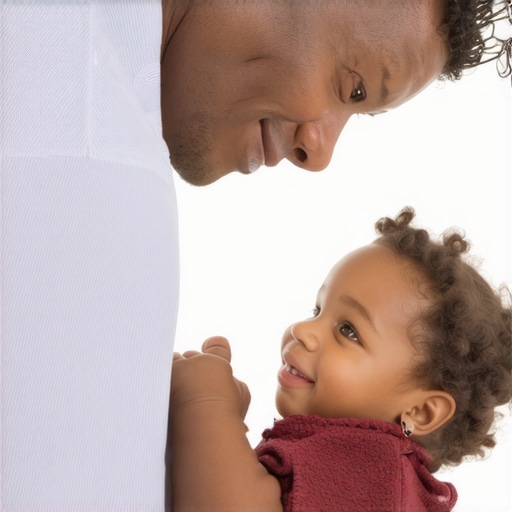
This illustration depicts a father engaging in emotional dialogue with his child, emphasizing the importance of open communication in fostering trust and resilience.
Expert Perspectives on Cultivating Emotional Resilience in Fatherhood
Leading researchers advocate for a paradigm that views emotional literacy as integral to effective fathering. Dr. Jane Collins, a developmental psychologist, notes, “When fathers model emotional authenticity, they not only enhance their mental health but also serve as vital emotional scaffolding for their children’s development.” Adopting this perspective requires intentional effort—mindful practice, ongoing education, and community support structures play pivotal roles in facilitating this transition.
Finally, embracing vulnerability in fatherhood isn’t just a personal journey but a societal imperative. Progress in this arena can redefine masculinity, emphasizing that true strength encompasses the courage to be emotionally genuine and compassionate. This transformation promises a future where fathers are as much nurturers as providers, shaping a generation equipped with emotional resilience and empathy.
The Neuroscience Behind Emotional Suppression and Its Effect on Paternal Engagement
Recent advancements in neuropsychology reveal compelling evidence about how patterns of emotional regulation influence paternal behavior. Specifically, heightened activity in the amygdala during emotional suppression can impair a father’s ability to respond empathetically, leading to reduced emotional availability. Conversely, enhanced prefrontal cortex activity fosters better impulse control and emotional clarity, vital for nurturing relationships.

This neuroimaging illustration highlights neural pathways involved in emotional regulation, emphasizing the impact of brain activity on paternal responsiveness and bonding.
Unlocking Authentic Connection: Can Vulnerability Transform Parenting Styles?
Contrary to traditional notions of masculinity, embracing vulnerability can serve as a catalyst for profound transformative shifts in fatherhood. Studies indicate that fathers who openly share feelings and admit uncertainties foster environments of trust and openness, which are instrumental in emotional development of children. This paradigm shift demands a nuanced understanding of masculinity, viewing strength as inclusive of emotional honesty rather than stoic silence.
According to Dr. Ethan Marks, a leading researcher at the Center for Family Studies, “Vulnerability is the bridge that connects paternal authority with emotional accessibility, ultimately leading to more resilient family units.” Such insights challenge prevalent stereotypes, urging a reevaluation of societal expectations around male emotional expression.
Refining Support Systems to Foster Emotional Literacy Among Fathers
Developing effective programs to cultivate emotional literacy requires a multidimensional approach, integrating community outreach, tailored therapy modalities, and digital platforms. Peer-led groups afford fathers safe spaces to practice sharing vulnerabilities, while technology-enabled coaching offers personalized guidance on emotional skills. Additionally, workplace initiatives that normalize emotional discourse contribute significantly to dismantling stigmas attached to male vulnerability.
Recent meta-analyses underscore that sustained engagement in such support systems correlates with increased paternal empathy, better conflict resolution, and overall mental health improvements.
Best Practices for Embedding Emotional Competency Into Fatherhood Norms
Embedding emotional intelligence into paternal roles entails intentional strategies such as routine emotional check-ins, active listening exercises, and modeling emotional openness for children. Educational campaigns targeting communities can shift cultural narratives, illustrating that authentic masculinity encompasses compassion and emotional resilience. Moreover, integrating emotional literacy training into parenting programs ensures that the next generation of fathers recognizes vulnerability as a strength rather than a weakness.
Expert Insights & Advanced Considerations
Embracing Emotional Variability Enhances Father-Child Bonds
Research indicates that fathers who demonstrate emotional flexibility create more resilient relationships, fostering trust and openness within the family unit. This adaptability encourages children to develop their own emotional intelligence, breaking free from stereotypical stoic paradigms.
Neuroplasticity Opens New Pathways for Paternal Emotional Growth
Innovative neuropsychological studies show that engaging in targeted emotional practices can rewire neural circuits, leading to healthier paternal responses and greater empathy. This underscores the importance of continuous emotional development irrespective of ingrained habits.
Redefining Strength as Vulnerability in Fatherhood
Leading scholars advocate for viewing vulnerability not as weakness but as a vital component of true strength. Embracing this perspective supports fathers in building authentic connections, promoting mental well-being, and serving as role models for emotional authenticity.
Curated Expert Resources
- Dr. John M. Gottman’s Family Lab: Offers groundbreaking research on emotional intelligence’s role in family dynamics, providing practical tools for fostering authentic communication.
- The Brain’s Way of Healing by Norman Doidge: Explores neuroplasticity applications that can aid fathers in rewiring emotional responses for healthier engagement.
- The Gifts of Imperfection by Brené Brown: Emphasizes vulnerability as a core aspect of courageous living and effective parenting, challenging traditional masculinity norms.
- Neuroscience & Biobehavioral Reviews: Publishes comprehensive studies on emotional regulation neural pathways relevant to paternal behavior.
- Center for Family Studies: Provides resources and training programs focused on fostering emotional resilience and vulnerability among fathers.
Final Expert Perspective
The enduring stereotype of the tough, stoic father is giving way to a more nuanced understanding of masculinity where emotional authenticity reigns supreme. Recognizing that genuine vulnerability can serve as a catalyst for profound relational and personal growth redefines what it means to be a strong father in today’s complex social landscape. As this paradigm shift continues, it’s imperative for professionals and caregivers alike to champion strategies that nurture emotional literacy and resilience among fathers, ultimately cultivating healthier, more emotionally rich family environments. Should you wish to advance your expertise or contribute insights to this vital conversation, consider engaging with specialized resources or participating in community dialogues dedicated to redefining fatherhood’s emotional dimensions.