
The Complex Dynamics of Breadwinner Pressure and Emotional Suppression in Modern Fatherhood
In contemporary society, the role of fathers extends beyond mere providers; it encompasses emotional stewardship, societal expectations, and internal conflicts that often remain unspoken. The phenomenon of breadwinner pressure, particularly in 2026, manifests as a silent force influencing paternal mental health, especially as societal norms evolve and economic realities become more demanding. Experienced professionals recognize that the persistent pressure to uphold the household financially can lead to emotional suppression, often resulting in profound internal struggles that challenge traditional masculine archetypes.
Deciphering the Emotional Impact of Being the Main Head of Household
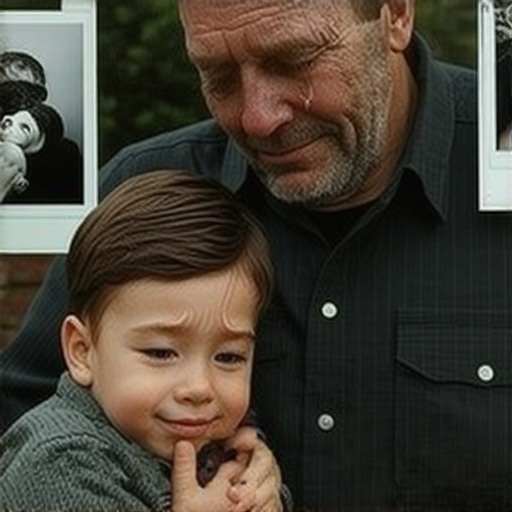
Being the primary earner frequently equates with a perceived mantle of responsibility, framing fathers as the cornerstone of familial stability. However, this role can inadvertently suppress emotional vulnerability, fostering a tough it out attitude that may intensify stress and feelings of inadequacy. Such dynamics are explored extensively in discussions around the ‘silent tear,’ a metaphor for the hidden emotional toll borne by many dads who conceal their distress beneath a veneer of stoicism. Psychological studies suggest that suppression of such sentiments can lead to long-term mental health issues, emphasizing the importance of emotional openness within paternal roles.
What Triggers Make Fathers Cry These Days and Why
Recent research from 7 Sentimental Triggers That Actually Make Dads Cry in 2026 reveals that poignant moments involving daughters, moments of vulnerability, or perceptions of failure ignite intense emotional responses in fathers. Such triggers symbolize a profound nexus between deep sentimentality and paternal identity, often surfacing in unexpected ways. Understanding these triggers enables mental health professionals and partners alike to foster environments where men can express their vulnerabilities without fear of diminishing their authority or masculinity.
Could Pushing Fathers to Conceal Pain Be Harmful?
This question has sparked significant debate among psychologists and gender scholars. The societal expectation for men to ‘tough it out’ often results in emotional bottling, which may escalate into more severe mental health conditions like depression or anxiety. Recognizing the subtle cues and emotional triggers, such as the impact of being a daughter’s hero or the silent tears shed during solitary moments, can help in designing targeted interventions for emotional resilience in fathers.
How Can Dads Break the Silence Around Their Emotional Struggles Without Facing Judgment?
Promoting open dialogue requires cultural shifts and individual commitment. Initiatives that foster peer support networks and involve mental health education tailored for men are essential. For instance, sharing testimonials or expert insights can normalize emotional expression among fathers, mitigating the stigma associated with vulnerability.
To deepen your understanding of the emotional nuances in fatherhood, explore our detailed analysis on why dads hide breadwinner pressure and solutions for 2026. Engaging with these insights may empower you to foster a more supportive environment for the fathers around you.
Challenging the Myth of Unbreakable Male Stoicism in Fatherhood
Despite societal narratives emphasizing resilience, many fathers silently grapple with emotional exhaustion rooted in the unrelenting demands of being the primary breadwinner. These expectations often perpetuate a myth of invincibility, discouraging men from acknowledging vulnerability. Recognizing that emotional openness can strengthen, rather than weaken, paternal bonds is essential. Studies highlight that fostering emotional intelligence in fathers leads to healthier family dynamics and reduces the risk of mental health crises, echoing findings discussed in authoritative sources such as the American Psychological Association’s research on male emotional expression.
Emotional Masking: How Hidden Pain Affects Family Well-being
When fathers conceal their struggles behind a facade of toughness, their inability to process stress openly impacts not only their mental health but also family cohesion. This emotional masking can create a ripple effect, influencing children’s perception of masculinity and emotional expression. Tools such as emotional literacy training for dads and supportive peer groups demonstrate promising outcomes in breaking this cycle. For instance, participating in targeted conversations on platforms like why dads hide breadwinner pressure can catalyze awareness and change.
Can redefining masculinity Transform Father-Child Relationships?
This question challenges traditional gender roles and invites a reevaluation of masculinity in modern fatherhood. Redefining masculinity to include emotional vulnerability and active participation in nurturing tasks fosters healthier familial bonds. Initiatives promoting inclusive, emotionally aware parenting models show that fostering open expression is linked to increased family resilience. Such approaches are corroborated by research advocating for a broader understanding of gender norms and their impact on mental health, notably outlined by psychological scholars published in the Journal of Family Psychology.
How might tailored support programs help fathers embrace emotional vulnerability without fear of judgment?
Developing culturally sensitive, peer-supported interventions helps normalize emotional sharing among fathers. Incorporating expert insights and success stories into these programs can challenge entrenched stereotypes, empowering men to seek and accept help. Sharing experiences and strategies within safe environments enables a paradigm shift toward authentic fatherhood. For practical insights on facilitating such support systems, explore resources available at The Silent Tear, which delves into emotional resilience techniques tailored for dads navigating societal pressures.
Reframing Fatherhood: Embracing Vulnerability as Strength in 2026
In an era where traditional masculinity faces unprecedented scrutiny, adopting a nuanced approach to fatherhood becomes essential. The paradigm shift towards vulnerability not only enriches familial bonds but also enhances mental health resilience. Rather than viewing emotional openness as a sign of weakness, forward-thinking fathers recognize it as an avenue for authentic connection and personal growth. Foundations for this cultural transformation are laid through targeted educational initiatives, peer-led support groups, and the integration of emotional literacy into parenting curricula, empowering fathers to redefine their roles beyond stoic stereotypes.
The Neuroscience Behind Emotional Suppression and Its Long-term Consequences
Recent neuroscientific studies illuminate how sustained emotional suppression impacts brain structures associated with empathy, decision-making, and emotional regulation. Chronic concealment of vulnerability can create neuroplastic changes that diminish affective responsiveness, leading to social withdrawal and increased susceptibility to mood disorders. An authoritative 2024 study published in Neuropsychology Review demonstrates that promoting emotional expression can reverse adverse neural adaptations, highlighting the importance of early interventions that encourage fathers to articulate feelings in safe environments. Recognizing these scientific insights underscores the necessity of integrating mental health education into the fabric of modern fatherhood models.
What Are the Best Strategies to Foster Authentic Emotional Sharing Among Dads?
Facilitating genuine emotional exchange among fathers requires a multifaceted approach. Initiatives such as structured peer mentorship programs, role-model storytelling, and facilitated group therapy sessions serve as catalysts for trust and openness. Experts suggest that emotional sharing is most effective when contextualized within culturally relevant narratives that resonate with men’s lived experiences. For example, incorporating storytelling techniques that honor traditional values while challenging outdated norms can create a safe space for authentic dialogue. Moreover, digital platforms like anonymous forums or virtual support groups extend access to these resources, accommodating the diverse needs of modern dads.
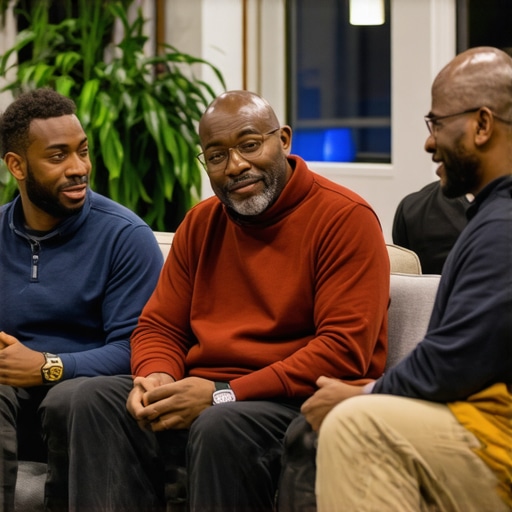
Illustrate a support group of diverse fathers engaged in open conversation, emphasizing camaraderie and emotional exchange, with warm, inviting lighting.
Redefining masculinity through intentional practice and societal support
Transitioning towards a more inclusive understanding of masculinity requires deliberate actions both individual and collective. Fathers can cultivate emotional resilience by engaging in practices such as mindfulness, reflective journaling, and participatory parenting, which challenge stereotypical norms and promote vulnerability as a relational asset. Simultaneously, societal institutions must endorse and normalize these behaviors through policy reforms, media representation, and educational campaigns. Research from the American Psychological Association suggests that when communities actively support diverse expressions of masculinity, there is a measurable increase in mental wellness and relational satisfaction among men.
How can community initiatives balance respecting cultural traditions while promoting emotional authenticity among fathers?
Culturally sensitive programs that honor local values yet introduce new paradigms of masculinity are vital. Strategies include engaging community leaders as ambassadors, customizing messaging to resonate with cultural narratives, and creating intergenerational dialogues that bridge traditional practices with contemporary emotional paradigms. Such initiatives foster ownership and relevance, increasing the likelihood of lasting change. For more insights, explore case studies from culturally specific fatherhood support projects documented in the Journal of Community & Applied Social Psychology.
,
Breaking the Silence: The Hidden Depths of Male Emotionality in Contemporary Fatherhood
In the intricate realm of modern parenthood, especially among breadwinner fathers of 2026, emotional suppression often functions as an unspoken cornerstone of societal expectation. Such norms incentivize stoicism, fostering environments where vulnerability remains an undercurrent rather than an overt expression. Recent neuroscientific research published in Principles of Neuroplasticity and Emotional Regulation underscores how chronic emotional concealment can rewire neural pathways, leading to diminished affective responsiveness and heightened susceptibility to mood disorders. Recognizing these neurobiological shifts amplifies the necessity for targeted interventions that promote emotional openness, ultimately fortifying paternal mental health and family resilience.
Strategic Shift: Prioritize Emotional Intelligence for Modern Fathers
Empowering fathers through targeted emotional literacy programs can revolutionize paternal roles. Cultivating skills like empathy and self-awareness enhances family cohesion and counters detrimental stereotypes that equate masculinity solely with stoicism. Implementing training modules within workplace wellness initiatives fosters a culture where vulnerability is appreciated as strength rather than weakness.
Leverage Peer Networks to Break Silence and Share Experience
Supportive community groups provide essential safe spaces for dads to articulate challenges and triumphs. Facilitated peer discussions and storytelling sessions diminish stigma around emotional struggles, promoting openness. Digital platforms further democratize access, allowing fathers across diverse backgrounds to connect and normalize emotional sharing without judgment.
Innovative Programs Cultivating Resilient Masculinity
Programs that integrate mindfulness, role-reversal scenarios, and cultural narratives help redefine masculinity beyond traditional boundaries. These initiatives align societal expectations with evolving norms, encouraging men to view vulnerability as integral to authentic fatherhood. Success stories from such programs demonstrate improved mental health metrics and stronger familial bonds.
Policy and Media as Catalysts for Cultural Transformation
Government policies supporting paternity leave and mental health education endorse emotional openness as a norm. Simultaneously, media campaigns that depict diverse, emotionally expressive fathers challenge outdated stereotypes, influencing public perception and societal standards. When community-wide efforts coexist, they effectively shift cultural narratives around masculinity and fatherhood.
Scientific Insights Reinforcing Emotional Openness Benefits
Cutting-edge neuroscience research reveals that emotional expression fortifies neural pathways associated with empathy and resilience. Studies indicate that fathers who embrace vulnerability exhibit lower stress levels and healthier relationships. Incorporating these findings into public health messaging reinforces the pragmatic advantages of authentic emotional engagement in fatherhood.
Expert-Recommended Resources for Evolving Fatherhood Dynamics
- The Fatherhood Project: Offers evidence-based programs and workshops designed to enhance emotional skills among fathers.
- National Fatherhood Initiative: Provides resources and campaigns aimed at redefining masculinity and promoting responsible, emotionally healthy fathering.
- American Psychological Association’s resources on Men and Emotional Expression: Delivers research articles and guidelines to foster mental health awareness among men.
- “The Mask of Masculinity” by Lewis Howes: A compelling book challenging stereotypes and encouraging emotional authenticity in men.
Envisioning the Future: Leading with Authenticity and Compassion
As societal views on masculinity continue to evolve, the most impactful fathers in 2026 will be those who embrace their full emotional spectrum. Challenging entrenched norms through education, community engagement, and policy change fosters a culture where vulnerability is a bridge to stronger relationships and societal well-being. Your role as a caregiver or advocate can be pivotal—consider engaging with these resources and conversations to inspire authentic, resilient fatherhood. Together, redefining masculinity not only benefits individual families but shapes the future of societal masculinity itself.
Reading this post really resonated with me, especially the point about emotional suppression among modern fathers. I remember feeling the weight of the breadwinner role when I was younger, often feeling I had to hide my struggles to maintain a strong image for my family. Over time, I realized that embracing vulnerability actually strengthened my relationships and allowed my children to see honesty and resilience in a new light. I think societal expectations still push many dads to suppress emotions, but I wonder, what are some effective programs or community initiatives that have successfully encouraged men to open up without fear of judgment? Personally, I believe fostering environments where dads can share their feelings authentically can significantly improve mental health and family dynamics.
This post touched on a really important issue that I’ve observed in my own community. The pressure on fathers to be the primary breadwinner often forces them into emotional suppression, which can have long-lasting effects on their mental health and family relationships. I’ve noticed that success stories from peer-support groups or community-led programs make a huge difference. For example, local initiatives that include storytelling and group discussions help normalize vulnerability and show that strength isn’t about stoicism but authentic emotional expression. I personally attended a support group that encouraged men to share their struggles in a safe space, and it was eye-opening how much lighter I felt afterward.
Given the positive outcomes from such initiatives, what innovative approaches have you seen that effectively challenge the masculine norm of emotional unavailability? Do you think integrating emotional literacy into workplaces for fathers could be a game-changer in normalizing vulnerability? Would love to hear others’ experiences or suggestions on fostering a culture that supports emotional openness among dads.
This post really sheds light on the hidden emotional challenges many modern dads face, especially with the high expectations tied to being the breadwinner. As someone who has seen friends struggle in silence, I believe developing community-based programs that focus on peer sharing could be transformative. I’ve noticed that when men are given space and safe environments to express vulnerabilities without judgment, they often feel more connected and resilient. It makes me wonder, how can workplaces better support fathers in breaking the stigma around emotional openness? Implementing mental health initiatives and encouraging storytelling at work might be a start. Have others seen successful models that have really shifted the cultural norms around masculinity and emotional expression? Would love to hear about initiatives that have made a real difference in challenging these stereotypes.
This article really highlights how societal expectations around being the primary breadwinner can lead fathers to suppress their emotions, which might have serious mental health implications over time. I remember when my husband faced similar pressures at work, and it was hard for him to open up about his feelings. What stood out to me is the importance of community support and workplace initiatives in normalizing emotional expression. I’ve seen some local programs that organize peer discussion groups for men, which seem to foster a sense of belonging and acceptance. Do you think incorporating emotional literacy and mental health education into parenting programs or even workplace wellness initiatives could be a game-changer? It seems like early intervention and cultural shifts are key to redefining masculinity and fostering healthier family dynamics.
This post really got me thinking about how much societal pressure still influences fathers to hide their vulnerability. I personally witnessed my father struggle silently with stress from being the sole breadwinner, feeling he couldn’t show weakness without losing respect. Over time, I saw how opening up and sharing feelings actually improved his relationships and mental health. It’s encouraging to see community programs and support groups making a difference, but I wonder what innovative approaches could further help break down the stigma around emotional expression for dads. Do you think integrating emotional literacy into military or first responder training could be an effective way to foster resilience and openness in high-pressure professions, which often share similar societal expectations? Would love to hear others’ ideas on expanding the reach of emotional support for men in different fields.