
The Silent Struggle of Breadwinner Dads in a Changing Emotional Landscape
In contemporary familial dynamics, particularly as we approach 2026, the traditional image of the stoic father has begun to fracture under the weight of evolving emotional expectations. The phenomenon of deep sentimentality among main breadwinners signals a significant shift in societal perceptions, yet many dads grapple with the embedded notion that emotional restraint is a requisite for being an authoritative figure. This article explores how the rising intensity of breadwinner pressure and the cultural stigmatization of vulnerability contribute to emotional suppression, with profound implications on mental health and family cohesion.
Understanding the Roots of Emotional Suppression in Fatherhood
The expectation for fathers to model resilience often discourages the expression of vulnerability, fostering an environment where being main head of household equates to emotional stoicism. This dynamic is reinforced through societal narratives and reinforced in paternal roles across various communities. The entrenched tough it out attitude becomes a double-edged sword; while it promotes strength, it also inhibits authentic connection, exacerbating feelings of isolation that can culminate in silent tears and unspoken pain.
Why the Emotional Disconnect Becomes a Crisis in 2026
Recent studies, such as those compiled by the American Psychological Association, indicate a rise in mental health issues among fathers due to suppressed emotions (APA, 2023). As economic pressures intensify, especially with inflation and job market uncertainties, breadwinner stress amplifies, compelling fathers to prioritize material stability over emotional openness. This imbalance detracts from vital paternal roles like nurturing and open communication, potentially affecting their daughters’ perception of masculinity and emotional accessibility.
How Sentimentality Transforms Under Cultural Constraints
The deep sentimentality that fathers feel often clashes with societal expectations, creating internal conflict. This dichotomy fosters emotional burnout, where the yearning to connect becomes overshadowed by perceived obligations. Critics argue that such repression not only damages individual well-being but also undermines familial bonds, emphasizing the necessity for a cultural reevaluation of paternal emotional expression. For example, programs promoting emotional literacy among men highlight how vulnerability enhances relational resilience.
Is Suppressing Emotions About Power or Self-Control?
What Do Experts Say About Emotional Suppression and Fatherhood in 2026?
Leading psychologists suggest that emotional suppression in fathers is rooted in deeply ingrained social constructs that equate masculinity with control and stoicism. However, these norms are increasingly challenged by research emphasizing the adaptive benefits of emotional openness for mental health and relational depth. For further insights, consider exploring How fathers can break free from breadwinner pressures.
Understanding these complexities is crucial for developing support systems that enable fathers to express authentic emotion without fear of judgment. Embracing sentimentality as a strength rather than a weakness can redefine masculinity in the modern age.
To dive deeper into these issues, readers are encouraged to explore additional expert analyses and share their own experiences, fostering a community that values emotional transparency in fatherhood.
Reframing Strength: How Vulnerability Enhances Leadership at Home
Traditional notions of masculinity often equate strength with emotional stoicism, particularly in the context of being the main breadwinner. However, emerging research underscores that genuine leadership within the family arises not from suppression but from authentic vulnerability. Fathers who openly express their struggles foster trust and resilience, creating a more profound connection with their children and partners. This shift requires redefining what it means to be a pillar of strength—moving from silence to openness can significantly bolster family cohesion.
Measuring Emotional Resilience: Are Men Missing Out?
While societal expectations may paint vulnerability as a sign of weakness, experts suggest it is a key component of emotional resilience. A 2022 study published by the Journal of Family Psychology highlights that fathers who embrace emotional complexity tend to navigate challenges more effectively and cultivate healthier relationships. This approach not only benefits individual mental health but also sets a powerful example for daughters, shaping their perceptions of masculinity and emotional accessibility. For practical strategies on fostering this resilience, consider reading about ways to support healthy emotional expression in fathers.
Is There a Risk in Overemphasizing Emotional Openness?
While embracing vulnerability offers numerous benefits, critics argue that an imbalance—where over-sharing may undermine authority or clarity—could create confusion within family roles. How can fathers strike a balance between authentic emotion and maintaining boundaries that preserve respect and stability? This nuanced question highlights the importance of context and timing in emotional communication. Finding this equilibrium involves developing emotional intelligence and self-awareness, skills that can be cultivated through targeted programs and therapy.
For those interested in exploring comprehensive frameworks to navigate this balance, professional resources on emotional literacy can offer valuable guidance, ensuring that vulnerability enhances rather than diminishes paternal authority.
Transforming Cultural Scripts: Making Vulnerability a Family Norm
Changing ingrained cultural narratives requires more than individual effort; it necessitates community and systemic support. Schools, workplaces, and media play vital roles in portraying fathers who express genuine sentimentality as strong and competent. Initiatives that normalize emotional discourse, such as father-focused support groups or media campaigns, are pivotal in this cultural shift. Engaging with these programs can help dismantle the stigma surrounding male vulnerability, especially for those navigating the complex pressures of being the primary provider.
For a deeper dive into societal change and its impact on family dynamics, readers are encouraged to explore strategies that support emotional authenticity in fatherhood.
If you’re interested in fostering meaningful conversations around these themes, sharing your insights or experiences can contribute to a collective shift toward healthier, more emotionally expressive fatherhood.
Breaking Free from the Shadows of Traditional Masculinity
For decades, societal narratives have reinforced the idea that emotional restraint signifies strength in fathers, especially those serving as primary breadwinners. However, contemporary research challenges this outdated stereotype, suggesting that genuine resilience stems from embracing vulnerability rather than suppressing it. Recognizing this paradigm shift is crucial for fostering healthier family dynamics and redefining masculinity in a way that aligns with emotional authenticity.
Does Emotional Exposure Erode Authority or Enhance Respect?
Many fathers worry that showing emotion might undermine their authority or lead to perceived weakness. Yet, studies indicate that authentic emotional expression can, paradoxically, foster greater respect and trust within the family unit. When fathers share their struggles or fears appropriately, it humanizes them, encouraging open communication and mutual understanding. This newfound respect becomes a foundation for shared resilience, empowering both parent and child to navigate life’s challenges more effectively.
For authoritative insights, see the comprehensive analysis by Dr. Michael Kimmel in his work on masculine identity transformation, which emphasizes that vulnerability is an integral aspect of strong leadership many modern families now endorse.
Implementing Emotional Literacy in Fatherhood Programs
To facilitate this transformation, integrating emotional literacy into fatherhood programs proves essential. These initiatives teach fathers to recognize, label, and regulate their emotions—skills that are foundational to authentic vulnerability. For instance, programs like the Harvard Men’s Mental Health Initiative have demonstrated that targeted communication training leads to improved family cohesion and mental health outcomes. Embedding such curricula into community centers and workplace seminars can create broad societal impacts, normalizing emotional openness among men who traditionally adhere to stoic norms.
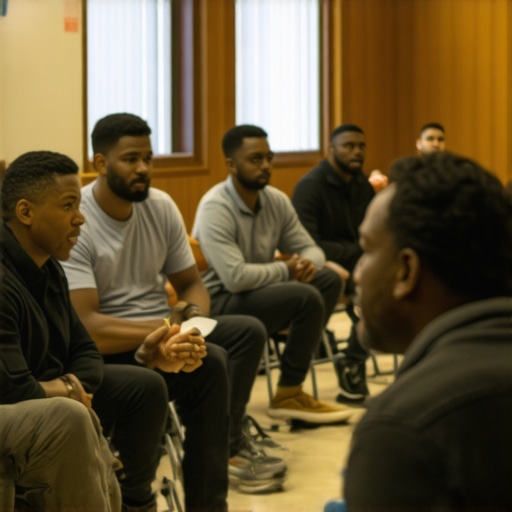
Visualize a supportive group workshop where fathers engage in emotional literacy exercises, fostering empathy and vulnerability measurements.
How Can Daughters Benefit from Their Fathers’ Emotional Evolution?
Daughters often observe and internalize their fathers’ emotional expressions, shaping their perceptions of masculinity and emotional accessibility. When fathers model vulnerability, they teach their daughters that strength encompasses openness, resilience, and emotional intelligence. This behavioral modeling can considerably influence the next generation, promoting gender norms that favor emotional authenticity and mutual respect.
Research by Dr. Peggy Drexler highlights that daughters with emotionally available fathers exhibit higher self-esteem and better interpersonal skills. Such insights underscore the importance of nurturing emotional openness in fatherhood as a long-term societal investment.
Overcoming Barriers: Addressing Cultural and Personal Resistance
Despite evidence favoring vulnerability, many fathers face deep-seated cultural, familial, or personal resistance to change. Addressing these challenges requires a multifaceted approach—one that involves education, community engagement, and supportive policy frameworks. For example, media featuring relatable father figures displaying emotional depth can gradually alter societal perceptions. Simultaneously, mental health professionals must be equipped to guide fathers through their emotional journeys, dismantling barriers rooted in shame or fear of judgment.
Building bridges between empirical research and lived experiences ensures that shifts toward emotional openness are both sustainable and authentic. Encouraging dialogue and peer support networks enables fathers to share successes and setbacks, cultivating a collective movement toward redefining strength.
The Subtle Art of Balancing Authority and Vulnerability in Modern Fathers
As societal paradigms shift, the archetype of the breadwinner father is undergoing a profound transformation, challenging established notions of masculinity and authority. The delicate interplay between maintaining a commanding presence and embracing emotional authenticity necessitates a nuanced understanding of psychological resilience and cultural context. In 2026, paternal roles are increasingly scrutinized, with expert consensus suggesting that genuine strength emerges from embracing vulnerability rather than suppressing it.
The Roots of Masculine Stoicism in Economic and Social Frameworks
Historically, economic necessity has intertwined with social expectations, cultivating a steadfast patriarchal model that equates male dominance with emotional restraint. This nexus creates a societal script where expressions of sentimentality are perceived as weaknesses, especially for primary providers. Recent ethnographic studies indicate that this construct persists across diverse cultural landscapes, subtly reinforcing a ‘tough for the family’ narrative that can hinder authentic paternal engagement.
Can Sentimentality Be the Bridge to Authentic Leadership?
Emerging research suggests that integrating sentimentality into leadership practices within the familial sphere enhances relational dynamics. Fathers who articulate their vulnerabilities foster deeper trust, catalyzing healthier communication channels and fostering emotional literacy in their children. Analyzing neuropsychological responses reveals that such openness activates oxytocin pathways, reinforcing bonds and reducing stress responses during familial interactions. This biochemical evidence supports a paradigm shift where vulnerability is not a display of weakness but an assertion of resilience.
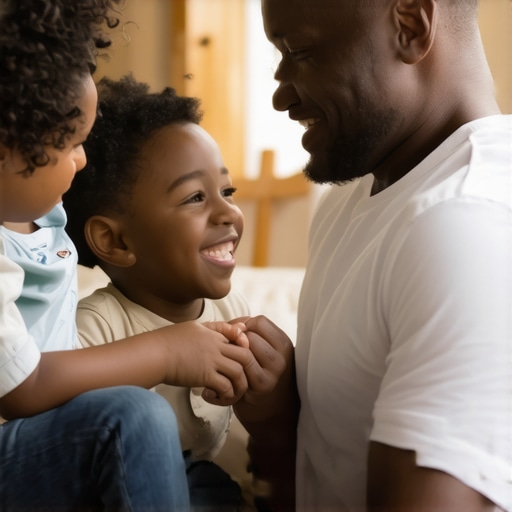
Visual representation of a father engaging in open dialogue with his children, illustrating emotional transparency and mutual trust.
Does Cultural Conditioning Undermine the Self-Efficacy of Breadwinner Fathers?
Psychologists posit that cultural stereotypes can induce self-doubt among fathers who attempt to reconcile emotional expression with their perceived roles. The internal conflict manifests as cognitive dissonance, which may impede adaptive coping mechanisms. Intervention programs that incorporate cognitive-behavioral techniques demonstrate efficacy in recalibrating these beliefs, enabling fathers to perceive vulnerability as an asset to their leadership rather than a liability.
What Advanced Strategies Can Fathers Employ to Navigate Emotional Complexity?
Professional counselors advocate for a multifaceted approach, including mindfulness practices, emotional intelligence training, and peer support networks. Practicing mindfulness enhances self-awareness, allowing fathers to discern appropriate moments for emotional disclosure. Simultaneously, engaging in facilitated discussions with trusted confidants can normalize vulnerability and reduce stigma. Embedding these strategies within community-oriented fatherhood programs accelerates cultural adaptation toward emotional authenticity.
For those committed to evolving paternal roles, adopting these techniques offers a pathway to authentic connection and psychological robustness. Initial steps might involve personalized coaching sessions or digital platforms tailored for emotional skill development.
The Power of Narrative Redefinition in Shaping Future Masculinity
Changing societal perceptions requires a deliberate reimagining of masculinity narratives. Media representations that depict fathers expressing sentimentality as heroic or competent can catalyze widespread shifts. Stories emphasizing the strength found in vulnerability inspire both current and future generations to embrace a more holistic identity. Policymakers and community leaders should prioritize initiatives that elevate these narratives, fostering environments where emotional openness is celebrated rather than stigmatized.
Implementing Systemic Change Through Policy and Education
Policy frameworks that support mental health literacy, parental leave, and workplace flexibility are instrumental in removing barriers to emotional expression. Education systems can incorporate emotional intelligence curricula that empower boys and men to develop healthy relational skills from an early age. These systemic interventions create a supportive infrastructure, enabling fathers to challenge outdated stereotypes and cultivate genuine emotional resilience within the familial ecosystem.
Engaging with these comprehensive strategies positions society to redefine the archetype of the breadwinner father, aligning strength with vulnerability as a cornerstone of authentic masculinity in 2026 and beyond.
Expert Insights & Advanced Considerations
The Evolution of Emotional Authority
Contemporary research indicates that authentic emotional expression enhances a father’s leadership role, fostering trust and resilience within the family. Recognizing vulnerability as a strength rather than a weakness can redefine traditional authority paradigms and improve familial cohesion.
The Neurobiological Basis of Sentimentality
Emerging neuropsychological studies reveal that honest emotional sharing activates oxytocin pathways, fundamentally strengthening paternal bonds and reducing stress responses, suggesting that sentimentality is integral to effective fatherhood.
Challenging the Cultural Tightrope of Masculine Expectations
Societal constructs often place fathers in a paradoxical position—expected to be both stoic breadwinners and emotionally available. Critical analysis advocates for cultural shifts that normalize male vulnerability, which can alleviate internal conflicts and promote healthier models of masculinity.
Implementing Trauma-Informed Parenting Strategies
Incorporating trauma-informed approaches within fatherhood programs supports emotional literacy, allowing dads to process personal experiences and model adaptive vulnerability, enhancing their mental health and relational depth.
Viewing Sentimentality as a Resilience Asset
Developing emotional resilience through sentimentality equips fathers to navigate societal pressures effectively, positioning vulnerability as a strategic strength for long-term family stability and individual well-being.
Curated Expert Resources
- American Psychological Association Publications: Offers comprehensive research on paternal mental health and emotional expression trends, vital for informed intervention design.
- Harvard Men’s Mental Health Initiative: Provides evidence-based programs promoting emotional literacy and resilience tailored for fathers, fostering systemic change.
- The Neuropsychology of Father-Child Bonding: An authoritative review highlighting neurobiological mechanisms that underpin emotional openness and attachment in fathers.
- Journal of Family Psychology: Features studies on familial dynamics influenced by paternal emotional expression, crucial for understanding long-term societal impacts.
- CrY Like a Dad Blog: A practical resource offering strategies for overcoming breadwinner pressure and cultivating authentic emotional connections.
Beyond the Surface: Final Reflection from an Expert Perspective
In light of recent insights, it becomes evident that embracing vulnerability enriches a father’s role, bridging traditional notions of strength with authentic emotional engagement. The deep sentimentality many fathers feel is not an obstacle but an asset—integral to fostering trust, resilience, and a sense of genuine authority. Moving forward, the challenge and opportunity lie in reshaping societal norms to value this openness, recognizing it as fundamental for nurturing emotionally intelligent generations. Engaging with authoritative resources and participating in community dialogues can accelerate this pivotal cultural transformation—because strengthening fatherhood isn’t just a personal journey; it’s a societal imperative.
This article really hits the mark on how societal expectations shape the emotional comportment of fathers, especially when economic pressures intensify around 2026. I’ve personally noticed friends in similar roles feeling torn between fulfilling financial responsibilities and engaging emotionally with their families, often suppressing feelings to maintain authority. It’s a tough balancing act that can lead to burnout or strained relationships if not addressed. The discussion on developing emotional literacy through community programs is so vital—have you seen successful models where this approach has significantly changed family dynamics? I believe that fostering open dialogues and normalizing vulnerability in fatherhood can unlock much-needed relief and deeper connections. The neurobiological insights about oxytocin pathways are fascinating and underscore how emotional openness isn’t just psychological but also biological. How do others think we can better integrate emotional education into workplaces or schools to prepare future generations for these changing norms? Because creating a culture where vulnerability is valued could transform the way fathers lead and nurture.
This post resonates deeply with my own experiences as a father navigating the new emotional terrain of 2026. I’ve seen firsthand how economic pressures, along with societal expectations, can compel guys like me to suppress feelings that could actually strengthen our family bonds if expressed openly. In my community, there are programs that focus on emotional literacy and vulnerability, and I’ve found them extremely helpful — not just for me but for my children to see a different kind of strength. It makes me wonder how workplaces and schools could do more to support this transition. Would integrating emotional intelligence training in professional settings and schools help destigmatize vulnerability early on? I believe that broad societal support can facilitate this cultural shift and make emotional openness the new norm rather than the exception. Has anyone seen effective policy changes or initiatives that have successfully promoted emotional literacy among men and boys? It seems like a crucial step toward redefining masculinity for future generations.