
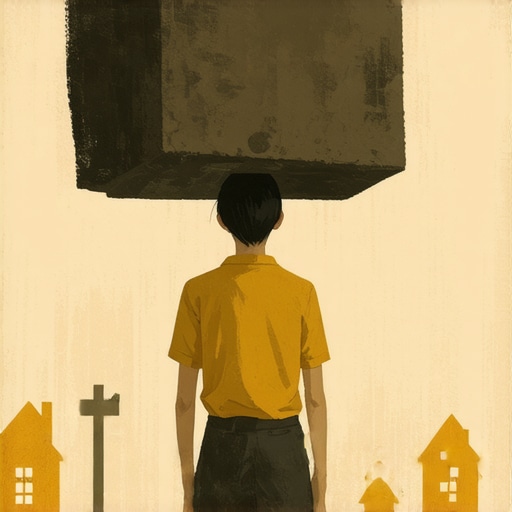
In the evolving landscape of family dynamics, the role of the primary breadwinner has transcended traditional expectations, increasingly embodying complex emotional and societal pressures. As we analyze the modern fatherhood experience, especially in 2026, it becomes evident that the “tough it out” attitude often masks profound internal struggles rooted in deep sentimentality and societal expectations. Recognizing this shift is essential for understanding how fathers navigate their roles amidst escalating responsibilities and emotional silent tears.
The Weight of Societal Expectations on Modern Dads
Today’s fathers are expected to be the resilient pillar of stability, balancing financial provision with emotional availability. This dual expectation fosters an environment where vulnerability often remains hidden, yet the emotional toll is palpable. The concept of being the main head of household implies a level of authority and responsibility that can lead to increased stress, especially when systemic pressures—such as economic instability and shifting gender roles—compound personal burdens.
Why does the “tough it out” attitude fall short in 2026?
Despite societal narratives promoting stoicism, literature and recent research underscore that suppressing emotional fatigue can precipitate adverse mental health outcomes. As detailed in peer-reviewed studies like those published by the Journal of Family Psychology, emotional suppression in fathers correlates with increased stress and deterioration of parent-child bonds, especially with daughters who often serve as emotional mirrors.
Unveiling the Silent Tears Hidden Behind the Tough Exterior
The metaphor of “The Silent Tear” captures the paradoxical display of emotional restraint versus internal vulnerability. Daughters, in particular, often become unintended witnesses to their fathers’ silent sacrifices and struggles, which can lead to complex sentimental triggers—moments that evoke deep memories or emotional responses, such as recalling shared vulnerabilities or witnessing unspoken pain.
What are effective ways for fathers to process their emotional load without compromising their traditional role?
Exploring emotional expression strategies rooted in psychological resilience, such as cognitive-behavioral techniques and open communication with trusted confidantes, can help alleviate hidden stress. Moreover, fostering bonds through genuine candidness with daughters may serve as a therapeutic avenue, reinforcing familial ties and mitigating the impact of breadwinner pressure.
For those interested in comprehending the nuances of this emotional landscape, consulting authoritative sources such as the Psychology Today can provide valuable insights into emotional health strategies tailored for fathers balancing societal expectations and personal well-being.
If you are a professional or a father navigating these challenges, sharing your experience or exploring related content such as this guide on silent tears can foster community and understanding.
Challenging the Myth of Emotional Invulnerability
Many fathers operate under the misconception that emotional resilience equates to suppressing feelings in the face of adversity. However, recent psychological research emphasizes that this myth of invulnerability often exacerbates internal stress, leading to burnout and strained family relationships. Recognizing the importance of emotional openness, especially within the context of being the main head of household, is vital for contemporary fatherhood.
Empowering Dads Through Emotional Education
Implementing structured emotional literacy programs tailored for men can significantly reduce the stigma around vulnerability. Workshops focusing on recognizing, processing, and expressing feelings help dismantle societal expectations that equate strength with stoicism. As highlighted by expert psychologist Dr. Michael Friedman, fostering emotional intelligence enhances not only individual well-being but also strengthens familial bonds—particularly with daughters, who are sensitive to their fathers’ emotional states.
Are we truly supporting dads to embrace vulnerability without feeling they are jeopardizing their masculinity?
This question prompts us to examine cultural narratives and the pervasive stereotypes that impede emotional authenticity. Encouraging open dialogues and normalizing emotional expression within family units can redefine perceptions of masculinity, fostering an environment where fathers feel safe to share their silent tears without fear of judgment. For deeper insights into these cultural shifts, consulting resources like the study published in the Journal of Men’s Studies can provide valuable scholarly context.
If you’re interested in exploring practical tools for emotional management, consider reviewing this comprehensive guide on emotional pressures faced by dads, which offers actionable strategies to navigate these complex feelings while maintaining your role at home.
Redefining Emotional Strength: Embracing Authenticity Amidst Responsibilities
In today’s intricate family fabric, the stereotypical image of the stoic breadwinner is undergoing a profound transformation. As fathers grapple with societal expectations and personal aspirations, the notion of emotional resilience is increasingly being reexamined. Rather than viewing vulnerability as a sign of weakness, contemporary research advocates for a paradigm shift: recognizing emotional authenticity as a cornerstone of effective fatherhood. This nuanced understanding aligns with the emerging narrative that authentic emotional expression fosters trust, deepens familial bonds, and enhances mental well-being—crucial components for navigating the multifaceted role of the main head of household in 2026.
How can fathers integrate emotional authenticity without risking societal judgment?
Strategic integration involves cultivating an environment where emotional transparency is normalized and celebrated within familial and community contexts. Practicing mindful communication, engaging in reflective journaling to process feelings, and seeking community support through peer groups or counseling can serve as effective avenues. Importantly, authenticity begins with internal validation; understanding that emotional openness is not a threat to masculinity but an extension of personal strength lays the groundwork for genuine transformation.
Harnessing Resilience Through Emotional Education and Cultural Change
Resilience in fathers is often misconstrued as mere endurance. However, resilience encompasses adaptability, emotional regulation, and the capacity to recover from stress—attributes that are significantly bolstered through targeted emotional literacy initiatives. Initiatives such as father-focused workshops and online courses, especially those emphasizing culturally sensitive approaches, empower men to recognize, validate, and articulate their feelings. As exemplified by programs developed by leading psychological institutes, these interventions can dismantle entrenched stereotypes about masculinity, fostering a more inclusive and supportive narrative.
Interestingly, the role of societal narratives—such as media portrayals and workplace cultures—cannot be overstated. When such narratives reinforce stoicism as the default, fathers may internalize a false dichotomy: emotional expression equates to vulnerability. Challenging these narratives requires collective effort, including policy reforms that promote mental health awareness and workplace flexibility for parental engagement. Contemporary government programs in countries like Scandinavian nations exemplify successful models where policies encourage open discussions around mental health, thereby normalizing emotional vulnerability among men and fathers alike.
What impact does social validation have on a father’s willingness to express silent tears?
Social validation plays a critical role in dampening fears of judgment that might inhibit emotional expression. When communities, workplaces, and social networks celebrate vulnerability as a form of human strength, fathers are more likely to feel safe in sharing their genuine feelings. Initiatives such as peer-led support groups and public narratives that highlight stories of emotional openness serve as powerful catalysts for cultural change. As outlined in research published in the Journal of Men’s Studies, social validation not only encourages individual expression but also collectively reshapes societal standards around masculinity and fatherhood.
If you are committed to fostering a emotionally supportive environment for fathers within your community or organization, consider advocating for programs that prioritize emotional literacy and public discussions on mental health. By doing so, you directly contribute to breaking down barriers that prevent men from embracing their full emotional spectrum, including the silent tears that often remain hidden behind a façade of strength.
Incorporating Technology as a Tool for Emotional Engagement
As digital innovation continues to evolve, so does its potential to serve as a facilitator for emotional expression among fathers. Mobile applications designed to promote emotional awareness, journaling, and peer connection provide accessible avenues for managing internal struggles discreetly. For instance, platforms such as Moodfit and TalkLife have introduced features aimed at normalizing emotional dialogues for men facing societal pressures. From an expert perspective, integrating these tools into daily routines not only assists in emotional regulation but also validates the importance of mental health as essential to overall masculinity.
Moreover, virtual support groups and online therapy sessions offer flexible options that respect privacy while fostering a sense of community. Especially in 2026, where remote interactions are increasingly normalized, leveraging these technological resources can substantively diminish the stigma around emotional vulnerability—making it a natural part of a father’s journey rather than a taboo.
Interested in exploring innovative ways to support fathers emotionally? Connect with mental health professionals specializing in parental support or participate in emerging digital communities that emphasize resilient vulnerability. Your proactive engagement can significantly impact a father’s ability to navigate silent struggles with courage, authenticity, and strength.
Challenging the Cult of Emotional Suppression in Fatherhood
The traditional archetype of the stoic breadwinner is increasingly being scrutinized within psychological and sociological research, revealing that suppressing genuine emotional responses leads to cascade effects on mental health and familial connections. This paradigm shift emphasizes that authentic engagement with one’s emotions fortifies resilience and nurtures healthier relationships, especially with daughters who are perceptive to their fathers’ emotional states. According to The American Psychological Association, fostering emotional authenticity in men correlates with reduced anxiety and depression, underscoring its importance in contemporary fatherhood.
What Expert Strategies Exist to Cultivate Emotional Openness Without Sacrificing Societal Perceptions of Masculinity?
Implementing evidence-based techniques such as emotion-focused therapy (EFT) and mindfulness-based stress reduction (MBSR) can equip fathers with tools to navigate their internal emotional landscapes. Engaging in structured reflective practices, including journaling tailored to emotional recognition, fosters self-awareness. Additionally, peer support networks that normalize vulnerability serve as vital platforms for reinforcing that emotional expression is a sign of strength rather than weakness. Such initiatives are championed by organizations like the National Association for Men’s Health, which advocate for cultural shifts toward healthier masculine norms.
For those invested in advancing these dialogues, Positive Psychology’s resource on men’s mental health offers comprehensive insights into integrating vulnerability into daily life.
The Power of Role Modeling: Transforming Cultural Narratives
A father’s willingness to display authentic emotions directly influences societal perceptions of masculinity. When fathers openly shed silent tears or express sentimentality, they challenge restrictive gender stereotypes, paving the way for a cultural renaissance where emotional transparency is celebrated. Research from the Yale Institute for Family Studies highlights that children who observe their fathers embracing vulnerability develop higher emotional intelligence and empathy, equipping them for healthier adult relationships.
How can community leaders foster environments where fathers feel safe to share their silent struggles?
Encouraging the creation of culturally sensitive support groups, spearheading public awareness campaigns, and advocating for family-centric policies in workplaces can catalyze this transformation. Institutions like the Men’s NetWork exemplify systemic efforts to decouple masculinity from emotional suppression, offering vetted programs that emphasize strength through authenticity. Cultivating such spaces helps dispel stigmas and affirms that the act of crying in front of loved ones is not a sign of fragility but a testament to genuine strength.
Engaging with these initiatives offers an opportunity for individuals and communities eager to redefine what it means to be a resilient, emotionally healthy father in 2026 and beyond.
Integrating Technology to Normalize Emotional Sharing
Emerging digital platforms tailored for fathers provide innovative avenues to process and express feelings safely and anonymously. Online therapy services focusing on men’s mental health, such as BetterHelp’s male-focused modules, offer accessible support that respects privacy and reduces stigma. Mobile applications equipped with guided emotional exercises serve as everyday tools for cultivating emotional literacy, reinforcing the idea that vulnerability can be seamlessly incorporated into routine life. According to a report by Pew Research Center, digital engagement among men seeking mental health support has surged, illustrating a societal shift towards openness facilitated by technology.
By embracing these tools, fathers can dismantle internal taboos and foster genuine transparency within their families, profoundly impacting their well-being and relationship dynamics.
Are you ready to leverage technology to champion emotional authenticity? Connecting with mental health pioneers and digital communities dedicated to fatherhood support can accelerate your journey toward embracing silent tears as a symbol of strength rather than weakness.
}#END#}#}#}#}**{
Expert Insights on Fatherly Emotional Dynamics
Challenging the Stoic Archetype Through Cultural Shift
Contemporary research indicates that reshaping societal narratives around masculinity and fatherhood is vital. Emphasizing emotional authenticity fosters deeper bonds and resilience. Encouraging community dialogues and policy reforms can accelerate this cultural evolution, making vulnerability an accepted strength rather than a weakness.
Harnessing Technology for Emotional Expression
Innovative digital tools, from mental health apps to virtual support groups, empower fathers to process feelings privately yet openly. These resources are instrumental in normalizing emotional conversations, breaking down stigma, and supporting mental well-being amidst traditional pressures.
Prioritizing Daughters in Emotional Development
Research highlights that daughters’ perceptiveness makes fatherly sentimentality particularly impactful. Building authentic emotional connections with daughters not only benefits familial health but also helps fathers process silent struggles, creating a reciprocal healing environment.
Embedding Emotional Skills in Fatherhood Training
Tailored programs focusing on emotional literacy and resilience can transform paternal roles. Integrating such training within existing community initiatives ensures managers and new fathers alike develop healthy emotional habits early, fostering a generative cycle of openness and strength.
Redefining Emotional Strength for Future Generations
Authentic vulnerability among fathers, especially in their role as the main head of household, exemplifies true resilience. Embracing silent tears and sentimentality not only alleviates internal stress but also models healthy emotional behaviors for children, shaping a generation that values authenticity over stoicism.
Curated Resources for Deeper Mastery
- Psychology Today’s Emotional Health Section: Offers evidence-based articles on emotional regulation and vulnerability techniques tailored for men and fathers.
- American Psychological Association’s Publications: Provides research and guidelines on mental health strategies that challenge traditional notions of masculinity.
- Support Groups like Men’s NetWork: Facilitate culturally sensitive environments where fathers openly share and grow emotionally.
- Digital Platforms such as TalkLife and Moodfit: Enable discreet emotional expression, fostering resilience through privacy and community support.
- Workshops and Training by Leading Experts: Focused on fostering emotional literacy, these programs are vital in transforming paternal care approaches in a changing world.
The Power of Authentic Emotional Engagement
In the landscape of 2026 fatherhood, the most profound impact arises from embracing vulnerability as a cornerstone of strength. Recognizing that silent tears and sentimentality are integral to resilience alongside traditional roles transforms both individual lives and societal perceptions. The path forward involves intentional cultural shifts, technological innovations, and targeted education—collectively redefining what it means to be a resilient, loving father today. Engaging with these insights and resources ensures that your journey towards authentic fatherhood is informed, empowered, and enduring. Dive deeper, share your experiences, and contribute to this vital evolution in family dynamics.
This article really hits home for me. As a dad, I’ve often felt this weight of societal expectations, trying to be the resilient figure while internally dealing with my own emotional struggles. I’ve found that opening up, even just with my close family, has helped lighten that load. Specifically, I’ve started journaling and sharing feelings with my daughter, which has strengthened our bond and made me more comfortable with vulnerability. It’s fascinating how the cultural narrative around masculinity is slowly shifting, but I wonder how men in different cultures respond to these changes. Do you think traditional masculinity models hinder or help the process of emotional openness among dads globally? And what are some effective ways community programs in various regions can support this transformation? I believe these conversations are crucial for our families’ mental health and for creating a more authentic, supportive environment for future generations.