
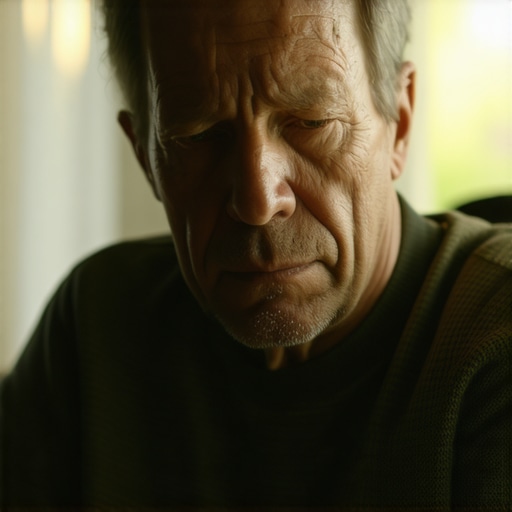
The Unspoken Struggles Masked by a Tough Exterior in Modern Fatherhood
In today’s complex social landscape, fathers often embody the archetype of stoic resilience while silently bearing emotional burdens that threaten their mental well-being. The persistent pressure to uphold a ‘tough it out’ attitude, especially as the primary breadwinner and head of household, creates a paradox wherein vulnerability is concealed behind a facade of strength, risking emotional suppression and psychological fallout.
Deciphering Sentimental Triggers That Pierce the Dad’s Stoic Mask
Deep sentimentality, triggered by everyday moments such as a daughter’s innocent question or witnessing a loved one’s hardship, can unexpectedly dismantle a father’s composed exterior. These triggers, although seemingly minor, resonate profoundly within and often catalyze silent tears—a phenomenon underexplored yet critical to understanding paternal emotional health. For instance, the emotional impact of hearing a daughter express gratitude or vulnerability often evokes a complex interplay of pride and concealed sorrow, emphasizing the significance of these nuanced interactions.
When Dads Cry: The Paradox of Emotional Release and Societal Expectations
While crying in public remains stigmatized for men, many fathers find solace in moments of solitary emotional expression, especially when grappling with the dual roles of provider and protector. Such tears symbolize authentic emotional release, challenging societal norms and fostering healthier father-child relationships. The recognition of this reality aligns with recent research indicating that emotional openness enhances paternal bonding and mental resilience, thereby promoting overall family stability.
The Invisible Weight of Breadwinner Pressure on Fatherhood
The relentless pursuit of financial stability exerts immense pressure on fathers, often leaving emotional needs unmet. The sense of duty to shield family from hardship can lead to emotional distancing, which paradoxically strains the very bonds they seek to preserve. Exploring strategies to alleviate this burden reveals that fostering open dialogue and shared responsibilities can mitigate stress, fostering a more balanced approach to fatherhood.
Are Fathers Neglecting Their Emotional Wellness in the Name of Strength?
What Are the Barriers That Prevent Dads from Acknowledging Their Vulnerabilities?
This question underscores the societal and internal obstacles that discourage emotional acknowledgment among fathers. Cultural expectations, fear of appearing weak, and lack of support mechanisms collectively hinder men from embracing their emotional depth. Research from the American Psychological Association emphasizes that dismantling toxic masculinity norms is essential to promote mental health among fathers.
Readers are encouraged to delve into related expert insights on fatherhood challenges by exploring The brutal reality of being the family breadwinner and consider sharing your experiences or seeking professional guidance to foster emotional resilience in fatherhood.
Understanding the layered emotional landscape of fathers reveals that beneath stoic facades lie profound sentiments shaped by societal expectations, personal experiences, and familial roles. Recognizing and addressing these unseen struggles is vital for cultivating emotionally healthy and connected families.
Challenging the Tough Dad Myth in a Changing World
In contemporary fatherhood, the long-standing stereotype of the unshakeable, stoic provider continues to influence how men perceive their emotional roles. Yet, as societal awareness shifts, an increasing number of experts advocate for fathers to break free from these outdated notions to foster healthier relationships with their children and partners. Embracing vulnerability doesn’t diminish strength; instead, it enhances resilience and deepens familial bonds, a perspective supported by recent studies on emotional intelligence and leadership.
Harnessing Emotional Intelligence to Reframe Fatherhood
Emotional intelligence (EI) encompasses awareness, understanding, and management of one’s own emotions, as well as empathy for others. For fathers, developing EI offers a pathway to navigate the complex emotional terrains of parenting, work, and personal growth. Practical strategies include reflective journaling, active listening, and seeking feedback—tools that help dismantle the false dichotomy of strength versus vulnerability. Dads who invest in EI often experience increased patience and a more authentic connection with their children, nurturing an environment where expressing feelings becomes normalized rather than taboo.
What If Fathers Relearn That Vulnerability Is a Superpower?
Imagine a scenario where societal expectations no longer stigmatize tears or emotional openness in men. How would this transformation impact familial relationships, mental health, and community support systems? Cultivating a culture where vulnerability is celebrated could encourage more fathers to share their inner struggles, seek help when needed, and model emotional authenticity for the next generation. This shift aligns with findings by the American Psychological Association, emphasizing that emotional openness is linked to increased wellbeing and stronger social bonds.
For deeper insights, consider reading why Dads often hide their vulnerabilities behind a tough exterior and how addressing this can transform family dynamics.
Sharing your experiences or exploring mental health resources can be a vital step toward redefining strength in fatherhood. Remember, embracing vulnerability might be the key to unlocking a more fulfilling, resilient family life.
}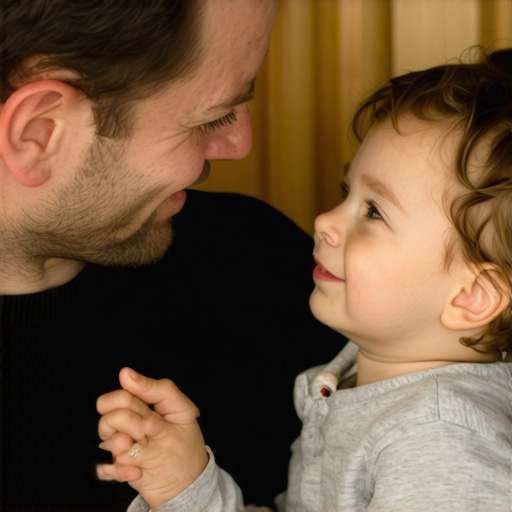 }**(Optional Image Prompt:
Redefining Masculinity: Fostering Emotional Transparency in Fatherhood
Traditional notions of masculinity have long equated strength with stoicism, often relegating emotional expression to a sign of vulnerability or weakness. However, contemporary research underscores the importance of redefining what it means to be a strong father. By embracing emotional transparency, fathers not only enhance their psychological resilience but also model healthy emotional behaviors for their children, creating a foundation for future generations to prioritize mental well-being without shame or stigma.
Can Emotional Openness Be Integrated Into Masculine Identity?
Recent studies, such as those published in the Journal of Men’s Health, suggest that integrating emotional openness into masculine identity is both feasible and beneficial. This involves reframing vulnerability as a facet of strength—an act of courage rather than weakness. For fathers, this shift can manifest through candid conversations about feelings, expressing empathy, and actively engaging in emotional dialogues with their children and partners. Ultimately, it promotes healthier relationships and fosters a familial culture grounded in trust and authenticity.
Implementing such changes requires societal support systems that challenge outdated stereotypes. Initiatives like men’s emotional health campaigns and fatherhood support groups have shown promise in facilitating this paradigm shift.
Strategies to Cultivate Emotional Strength Without Compromising Masculine Identity
Transitioning from a stoic persona to a more emotionally open version involves deliberate, actionable steps. Among these are practices like mindfulness meditation, which enhances emotional awareness; reflective journaling, which processes complex feelings; and engaging with mental health professionals for guidance. These tools help fathers recognize and validate their emotions, dismantling internal barriers rooted in masculinity norms. Furthermore, encouraging open communication within families creates a ripple effect, normalizing discussions of vulnerability and reinforcing a resilient, authentic masculinity.
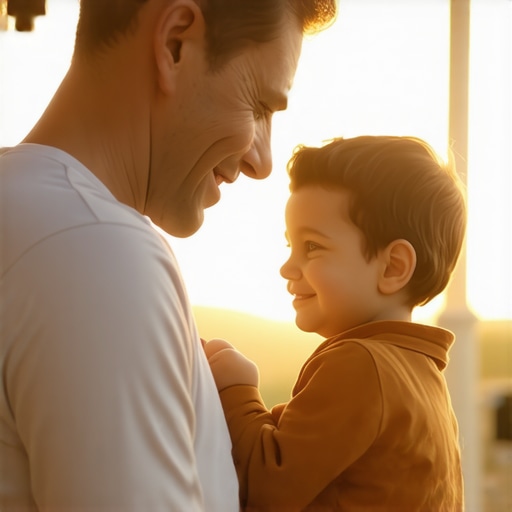
Visualize a father earnestly sharing his feelings with his child, fostering empathy and emotional understanding—an image embodying the new face of fatherhood.
What Role Do Support Networks Play in Normalizing Male Emotional Expression?
Support networks, including peer groups, online forums, and community programs, serve as critical platforms for fathers to share experiences and challenge societal expectations. According to the American Psychological Association, participation in these communities can reduce stigma, validate emotional vulnerability, and encourage personal growth. For example, ‘Men’s Circles’ or fatherhood workshops facilitate a safe space where men can articulate emotions without fear of judgment, fostering a collective shift toward healthier masculinity norms.
If you’re interested in exploring ways to build or join such supportive environments, there’s a wealth of resources tailored to diverse cultural and socioeconomic backgrounds. Engaging in these spaces can be a transformative step towards embracing emotional authenticity in your fatherhood journey.
Transcending Traditional Boundaries: The Future of Fatherhood and Emotional Expression
As societal perceptions evolve, the future of fatherhood is poised to embrace a more holistic view—one that recognizes emotional intelligence as a cornerstone of effective parenting and personal well-being. Innovations in family therapy, educational programs, and public policy are increasingly designed to support fathers in cultivating vulnerability as a strength. Such progress not only benefits individual families but also contributes to healthier communities by dismantling toxic masculinity and fostering empathetic, emotionally resilient generations.
To further deepen your understanding, consider exploring resources like The Fathering Project’s insights on masculinity and emotional health. Embarking on this path requires courage and commitment, but the rewards—authentic connection, mental well-being, and a legacy of emotional honesty—are well worth the effort.
Unraveling the Complex Tapestry of Fatherly Vulnerability in Today’s World
In a societal climate progressively acknowledging mental health’s pivotal role, the traditional archetype of the stoic provider is being challenged by an evolving paradigm that champions emotional openness. Contemporary fathers are increasingly recognizing that genuine strength arises from embracing vulnerability, thus forging deeper familial bonds and fostering healthier emotional environments for their children. This reconceptualization of masculinity not only aligns with psychological research but also exemplifies a profound cultural shift towards inclusive masculinity models.
Are Unspoken Sentiments the Hidden Cost of Fatherly Suppression?
Unvoiced emotions, often accumulated over years of societal conditioning, manifest as silent reservoirs of stress and emotional fatigue. Experts emphasize that the suppression of these feelings can lead to heightened anxiety, depression, and strained familial relationships. A nuanced understanding recognizes that acknowledging these sentiments is a critical step toward emotional liberation, enabling fathers to model authenticity and resilience for future generations. The works of Dr. George Bonnano, a leading trauma expert, underscore that integrating emotional acknowledgment into daily life significantly enhances psychological resilience.
How Can Fathers Cultivate Resilience Through Emotional Literacy?
Implementing emotional literacy practices—including mindful reflection, empathetic dialoguing, and vulnerability exercises—equips fathers with tools to navigate complex emotional landscapes effectively. These strategies dismantle the myth that toughness inherently negates tenderness. For instance, engaging in structured conversations about feelings or participating in peer support groups can radically transform the fatherhood experience, fostering environments where emotional authenticity is not a vulnerability but a form of strength.

Can Society Support Fathers in Embracing Emotional Authenticity?
Instituting systemic support—through workplace policies that validate mental health needs, accessible mental health services tailored for men, and community programs that normalize emotional expression—serves as a catalyst for cultural transformation. The research by the Mental Health Foundation underscores that societal backing significantly reduces stigma, empowering men to challenge dominant narratives that equate masculinity with emotional suppression. These initiatives create a ripple effect, encouraging fathers to openly share vulnerabilities without fear of judgment.
From Mask to Mirror: The Transformation of Masculinity in Mother-Child Relationships
As fathers cultivate emotional intelligence, the ripple effects extend into their relationships with their children, notably daughters. With increased openness, fathers serve as authentic role models, demonstrating that strength includes the capacity to express feelings and seek support. This paradigm shift nurtures daughters who grow up perceiving emotional transparency as an asset, fostering a generation that values vulnerability as a cornerstone of resilience.
Reframing Strength: Why Emotional Openness Elevates Family Dynamics
Moving beyond the antiquated notion that masculinity is rooted solely in stoicism, contemporary research indicates that emotional transparency enhances empathy, communication, and conflict resolution within families. The American Psychological Association highlights that emotionally literate fathers contribute to healthier, more balanced households. The act of sharing feelings—whether through heartfelt conversations or silent tears—becomes an empowering act that strengthens familial unity and models emotional health to children.
Are you ready to challenge traditional notions of masculinity and champion emotional authenticity in your role as a father? Dive into educational resources, join support networks, and embrace vulnerability as a vital component of resilient fatherhood—because true strength lies in authenticity.
,
Expert Insights That Challenge Traditional Fatherhood Norms
Emphasizing Emotional Literacy Enhances Resilience
Advancing emotional intelligence in fathers leads to stronger family bonds and healthier mental health, contradicting outdated notions that equate strength solely with stoicism. Incorporating practices like reflective journaling or active listening fosters genuine connections and models vulnerability as a source of strength.
Normalize Emotional Expression to Break Taboos
Societal shifts are highlighting the importance of fathers openly expressing feelings, including tears. This normalization reduces stigma, encourages authenticity, and positively influences children’s emotional development, aligning with psychological research emphasizing the benefits of emotional openness.
Support Networks Transform Personal and Cultural Norms
Peer groups, community programs, and online forums serve as crucial platforms where fathers can share experiences and challenge societal expectations, fostering a culture where vulnerability is embraced rather than suppressed.
Implement Systemic Changes to Encourage Well-Being
Workplace policies, mental health services tailored for men, and educational initiatives play a vital role in supporting emotional health, facilitating a broader cultural change toward empathetic masculinity.
Authoritative Resources That Deepen Your Understanding
- The American Psychological Association’s guidelines on men’s mental health – Offers research-backed strategies for fostering emotional openness among fathers.
- The Journal of Men’s Health – Publishes studies on masculinity, emotional intelligence, and fatherhood dynamics.
- The Fathering Project – Provides practical programs and insights to help fathers embrace vulnerability and emotional literacy.
- Support groups like ‘Men’s Circles’ – Facilitate peer-led discussions promoting authentic emotional expressions in a safe setting.
Catalyst for Cultural Shift in Parenthood
Embracing emotional authenticity within fatherhood redefines strength, moving beyond superficial toughness to a resilient, empathetic model that benefits families and society at large. It’s imperative for leaders, policymakers, and communities to champion these shifts, providing fathers with the tools and support to be truly present. Dive into related content like why Dads often hide their vulnerabilities behind a tough exterior and start transforming perceptions today. Your engagement and advocacy can foster a future where emotional openness is celebrated as the true mark of strength in fatherhood.