

Unmasking the Depths of Male Vulnerability in Fatherhood
In the landscape of familial dynamics, the figure of the main head of household often embodies resilience and stoicism, yet beneath this veneer resides a complex tapestry of emotional suppression driven by societal expectations and personal pressures. Understandably, the narrative of masculinity has traditionally sidelined emotional expression, especially in the context of fatherhood where toughness is valorized.
This article explores the intricate phenomenon where dads, as primary breadwinners and emotional pillars, grapple with silent tears and internalized pain, challenging conventional notions centered around the “tough it out” attitude. Recognizing these emotional undercurrents is pivotal for fostering healthier paternal identities that embrace vulnerability as a strength rather than a weakness.
The Psychological Toll of Being the Main Breadwinner and Household Anchor
Assuming the role of the main head of household involves multifaceted stressors, from financial responsibilities to emotional caregiving. The relentless pressure to sustain stability can lead to suppressed sentiments, manifesting as silent tears that accumulate over time. Research from the Journal of Family Psychology emphasizes that emotional suppression in fathers correlates with increased stress and diminished familial satisfaction. Exploring this, it becomes evident that emotional resilience does not equate to emotional denial.
Why do many dads hesitate to express vulnerability, even amid profound emotional turmoil?
This hesitation often roots itself in deeply ingrained gender norms that equate stoicism with strength and emotional expression with weakness. Societal expectations, as examined in gender studies literature, influence fathers’ perceptions of masculinity, discouraging open displays of emotion that might be misinterpreted as lack of control or incompetence. Furthermore, the fear of undermining authority within the family unit can perpetuate emotional concealment, creating a silent internal struggle that can eventually lead to psychological distress.
To confront these challenges, it becomes crucial to foster environments where authentic emotional expression is encouraged and normalized. Initiatives like fatherhood counseling and peer support groups have demonstrated effectiveness in reshaping these narratives.
Sentimental Triggers That Break the Stoic Dad
Often overlooked are the subtle moments acting as sentimental triggers that pierce the facade of stoicism—such as a daughter’s heartfelt gesture or a family milestone. These instances serve as profound reminders of the emotional depth often masked by fathers’ outward toughness. Engaging with these triggers allows dads to reconnect with their own vulnerability, enriching their emotional landscape and strengthening their bonds with loved ones.
For example, a father’s silent tears upon witnessing his daughter’s graduation reveal a depth of pride and love that words could scarcely convey. Such moments underscore the importance of emotional authenticity in father-child relationships.
Reimagining Fatherhood: Embracing Emotional Authenticity for a Robust Bond
Transitioning from a stoic archetype to an emotionally authentic father requires intentional effort and societal support. Recognizing that vulnerability enhances relational intimacy and mental well-being is fundamental. As highlighted by expert psychologists, enabling dads to express their feelings fosters resilience and deepens familial connections. This paradigm shift encourages fathers to view emotional sharing not as a sign of weakness but as a cornerstone of genuine strength.
In this context, exploring resources such as the transformative power of daughter-father bonds becomes essential for understanding how emotional openness can revolutionize fatherhood dynamics.
By acknowledging and addressing the silent tears that fathers hide, we foster a culture that values emotional authenticity, ultimately enriching the fabric of our families and society at large.
The Hidden Stress of Leading a Family in a Changing World
As societal expectations evolve, fathers are often caught between tradition and modern demands, feeling immense pressure to fulfill multiple roles flawlessly. The weight of being the primary provider, protector, and emotional anchor can create a silent storm within, where internal struggles remain unspoken but deeply felt. This internalized stress can manifest subtly, sometimes only visible through small behavioral changes or distant interactions.
Research indicates that the mental health of main household providers is increasingly at risk, with many dads experiencing burnout, anxiety, or depression without seeking help. This concealment roots itself in fears of perceived weakness or failure—a reflection of entrenched gender norms that discourage men from openly addressing emotional strain. Exploring these dynamics, it’s essential to recognize that true strength lies in vulnerability, not in silent endurance.
Why Do Many Fathers Still Feel They Must Jack the Emotional Tension?
The reluctance to voice inner turmoil often stems from societal narratives that equate masculinity with stoicism and resilience. Media portrayals and cultural expectations reinforce the idea that admitting vulnerability diminishes a father’s authority or credibility. According to psychologist Dr. Michael Kimmel, these stereotypes create an environment where men internalize stress, leading to long-term mental health issues. Overcoming this requires redefining strength as encompassing emotional awareness and openness, fostering a healthier fatherhood archetype.
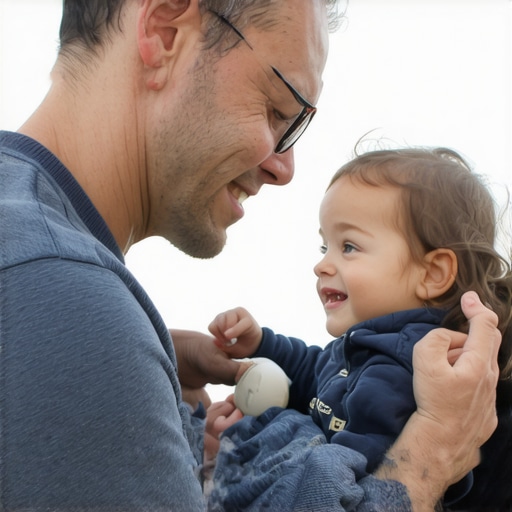
For fathers yearning to shed the burdens of silence, building authentic connections is vital. Engaging in candid conversations with partners, children, or peers provides safe spaces to share feelings and receive support. Programs dedicated to mental health awareness for dads, such as peer-led support groups, play a critical role in normalizing emotional expression. Such initiatives can serve as catalysts for cultural change, encouraging fathers to break free from the ‘tough guy’ myth and embrace vulnerability as a sign of resilience.
Could embracing emotional vulnerability redefine what it means to be a strong father?
Considering this, it’s worth reflecting on how redefining masculinity could enrich familial bonds and personal well-being. As societal views shift, embracing vulnerability doesn’t threaten authority; it enhances connection, trust, and emotional stability within the family. Scholars like Dr. David Carter emphasize that authentic emotional expression fosters deeper relationships and better mental health outcomes for fathers and their children. For more insights on transforming fatherhood, explore how breadwinner pressures impact dads in 2026.
If you’re interested in exploring more about the journey toward authentic fatherhood, consider sharing your experiences or seeking out communities that support emotional growth and vulnerability.
Harnessing Emotional Intelligence to Transform Fatherhood Dynamics
In an era where mental health awareness is gaining momentum, the traditional archetype of the stoic father is being challenged by nuanced perspectives emphasizing emotional intelligence (EI) as a cornerstone of genuine strength. Integrating EI into the fabric of fatherhood involves cultivating self-awareness, empathy, and adaptive communication skills, forging deeper bonds with children and partners alike. Such transformation requires a conscious shift from suppressing feelings to actively acknowledging and processing them—a paradigm that aligns with recent neuroscientific findings illustrating the neuroplasticity of emotional regulation capacities in adults.
Research published by the Harvard Review of Psychiatry underscores that fathers who develop high EI levels demonstrate reduced stress responses and improved relational satisfaction, ultimately fostering resilient family units amid societal upheavals. Embracing EI is not merely a personal improvement but a societal imperative to redefine masculinity in more inclusive, emotionally-rich terms.
What role does emotional literacy play in reshaping paternal identity within contemporary families?
Emotional literacy allows fathers to recognize and articulate their feelings effectively, setting a powerful example for children and challenging stereotypes that equate masculinity solely with emotional suppression. Initiatives aimed at improving emotional literacy among men—such as targeted workshops and storytelling therapy—have shown promising results in enhancing overall well-being and family cohesion. Moreover, educational programs in schools that include emotional education foster early normalization of vulnerability, contributing to a generational shift in masculine norms.
For those seeking practical steps, engaging with resources like the Psych Central guide on emotional literacy provides strategies to cultivate these vital skills, which are essential for navigating complex emotional landscapes with confidence and authenticity.

The Subtle Art of Recognizing and Respecting Sentimental Triggers
While societal narratives often dismiss emotional triggers as signs of weakness, understanding their significance can serve as a gateway to authentic connection. For fathers, appreciating moments that evoke vulnerability—such as witnessing their child’s first steps or hearing heartfelt gratitude—can deepen relational intimacy and promote emotional openness. Recognizing these triggers requires mindfulness and an attentive presence, skills that can be honed through practices like meditation, reflective journaling, or guided counseling sessions.
Such awareness not only enhances personal growth but also models emotional authenticity for children, fostering a family environment where feelings are valid and shared without fear of judgment. This, in turn, dismantles the barriers erected by harmful stereotypes, creating a legacy of emotional resilience.
The Societal Shift Toward Masculinity as a Spectrum of Strengths
Emerging research and anecdotal evidence suggest that redefining masculinity from a rigid, monolithic construct to a flexible spectrum of emotional expressions has profound implications. Influencers in psychology and sociology argue that embracing this spectrum encourages fathers to explore diverse facets of their identities, from protector to nurturer to confidant. Such multidimensionality aligns with the concept of integral masculinity, which advocates integrating traditional strengths with emotional awareness, rendering fatherhood more sustainable and fulfilling.
Policy advocates and community leaders are beginning to recognize that supporting this evolution requires systemic changes—ranging from parental leave policies to media representations—that validate and normalize emotional diversity among men. The challenge lies in shifting cultural perceptions, a process that demands collective effort, persistent advocacy, and unwavering commitment to authentic authenticity.
If this perspective resonates with you, consider engaging with local initiatives, sharing your journey, or advocating for programs that promote emotional well-being in paternal contexts. Embracing vulnerability is not just a personal act; it’s a movement toward a more empathetic and resilient society, one father at a time.
The Neuroscience of Emotional Resilience: Why Toughness Isn’t Always Enough
Emerging studies in neuroplasticity highlight that emotional adaptability, rather than mere suppression of feelings, is paramount for resilient fatherhood. When fathers develop neural pathways that support emotional processing, they become better equipped to manage stress and model healthy expression for their children. This understanding shifts the paradigm from viewing vulnerability as weakness to recognizing it as a core component of mental robustness, as detailed in the latest issue of the Journal of Neuroscience.
How does understanding brain plasticity influence strategies for cultivating emotional intelligence among dads?
By appreciating that emotional skills are learnable and adaptable, mental health professionals and support programs can design interventions—such as cognitive-behavioral therapy and mindfulness training—that foster neural rewiring conducive to openness and resilience. This scientific perspective underscores the importance of early emotional education and ongoing mental exercise in shaping healthier paternal identities.

Challenging the Performance Myth: Authenticity Over Perfection in Parenting Roles
Society’s obsession with idealized fathering often encourages men to perform emotional strength flawlessly, inadvertently leading to burnout and alienation. Recognizing that vulnerability enhances genuine connection, some pioneering psychological frameworks advocate for redefining fatherly success beyond perfection to authenticity. Embracing imperfections not only normalizes emotional struggles but also fosters a more enduring, trusting relationship with children, as argued by Dr. Brené Brown in her research on shame and vulnerability.
Could embracing imperfections revolutionize societal expectations of fatherhood, and if so, how?
Transforming societal narratives requires a cultural shift where sharing struggles is seen as courageous, not weak. When men openly discuss emotional challenges, it cultivates a climate where vulnerability becomes a marker of strength, thus empowering future generations to express authentically. This approach invites policymakers, educators, and media to challenge traditional masculinity paradigms and celebrate imperfection as a fundamental aspect of human experience.
To dive deeper into this transformative perspective, explore Dr. Brené Brown’s work on vulnerability and shame.
The Role of Cultural Context in Emotional Expectations for Fathers
Different cultural backgrounds impose varied emotional norms that influence how fathers process and express vulnerability. In collectivist societies, emotional expression might be more communally shared, whereas individualist cultures may revere stoicism. Recognizing these nuances is vital for tailoring mental health interventions that respect cultural sensitivities while promoting healthy emotional behaviors. For example, research in cross-cultural psychology emphasizes that fostering a culturally competent approach enhances engagement and effectiveness in emotional development programs.
How can culturally sensitive practices facilitate healthier emotional expressions among diverse fatherhood identities?
Implementing culturally aware curricula, involving community leaders, and respecting traditional communication styles can bridge gaps and promote acceptance of emotional authenticity. Recognizing cultural strengths while encouraging adaptive emotional practices enables fathers to integrate vulnerability into their unique social fabric without alienation or conflict.
This underscores the need for a nuanced, inclusive dialogue about masculinity and emotional health, acknowledging the rich diversity of fatherhood experiences worldwide.
,
As experts in emotional development and family dynamics observe, embracing vulnerability transforms the father-child relationship, fostering trust and authentic connection. Recognizing the silent tears beneath a father’s stoic exterior enables a deeper understanding of emotional resilience as an adaptable strength, not a sign of weakness.
Research indicates that fathers who demonstrate emotional openness cultivate healthier mental well-being and model courage for their children, challenging outdated stereotypes of masculinity. Policies promoting mental health support specifically tailored for dads further empower this shift toward authentic fatherhood.
Curated Expert Resources
- Harvard Review of Psychiatry: Offers neuroscientific insights into emotional regulation and resilience in men.
- Brené Brown’s Work on Vulnerability: Provides practical frameworks for embracing imperfection and emotional authenticity.
- PsychCentral’s Emotional Literacy Guide: Strategies designed to enhance emotional communication skills among men and fathers.
Final Expert Perspective
In redefining what it means to be a father, understanding the transformative potential of vulnerability, especially within the context of being the main head of household, reveals that true strength lies in emotional authenticity. Engaging with authoritative resources and integrating emotional intelligence into everyday life empowers fathers to break free from harmful stereotypes, fostering healthier families and societies. We invite professionals, scholars, and parents alike to continue exploring this vital evolution and contribute to a cultural landscape where emotional openness is celebrated as a cornerstone of resilient fatherhood.
Reading this article really resonated with me, especially the part about sentimental triggers like a child’s graduation revealing a father’s inner emotional world. It’s powerful to realize how such moments can serve as gateways to vulnerability rather than signs of weakness. I’ve noticed in my own experience that when I allow myself to be open during these triggers, it strengthens my bond with my children and sets a healthy example for emotional expression. However, I sometimes wonder how fathers in different cultural contexts navigate these triggers, given the varying societal norms around masculinity. How can we encourage more universal acceptance of emotional vulnerability across diverse backgrounds? It seems that normalizing these moments, regardless of cultural expectations, could be key to fostering authentic connections worldwide.