

The Hidden Depths of Deep Sentimentality Among Modern Dads
In the evolving landscape of paternal identity, particularly for those serving as the primary breadwinners, the phenomenon of deep sentimentality manifests uniquely. Traditional notions of masculinity often suppress emotional expression, fostering a paradox where internal emotional landscapes remain concealed beneath a rugged exterior. Recognizing this paradox is essential for understanding the silent tears that surface amidst external pressures.
The Psychological Toll of Breadwinner Pressures on Dads
As societal and economic expectations intensify, main heads of households face mounting stress to sustain financial stability, often at the expense of emotional well-being. The relentless drive to be the decisive provider leads to internal conflicts, where vulnerability is viewed as a weakness, precipitating emotional suppression. This dynamic underscores the importance of examining how breadwinner pressure catalyzes feelings of isolation and emotional disconnect.
How the ‘Tough It Out’ Attitude Masks Emotional Cracks
The prevalent ‘tough it out’ mentality in paternal circles reinforces stoicism, discouraging open dialogue about struggles. This attitude, while seemingly empowering, often exacerbates emotional strain, leading dads to internalize stress until it manifests as somatic symptoms or silent tears. Recent studies, such as those highlighted in the Journal of Men’s Health, emphasize that emotional endurance without support can culminate in adverse mental health outcomes (source).
What Are the Risks of Suppressing Emotional Responses in Paternal Roles?
Suppressing emotions in high-pressure roles not only affects mental health but also influences family dynamics. Emotional suppression can hinder authentic connections with daughters, affecting the formation of bonds rooted in vulnerability and mutual understanding. For instance, the erosion of these bonds may contribute to the occurrence of silent tears, both in fathers and daughters, signifying unspoken pain that warrants attention.
The Role of Sentimental Triggers in Bringing Hidden Emotions to Surface
Certain triggers like childhood memories, personal sacrifices, or significant milestones serve as catalysts for emotional expression. Recognizing and understanding these sentimental triggers can facilitate emotional release, breaking the cycle of silence. For example, appreciating moments of shared vulnerability enhances empathy between fathers and daughters, which is critical for emotional healing and resilience.
Strategies for Navigating Emotional Vulnerability Without Compromising Authority
Developing emotional literacy and open communication channels equips dads to address internal struggles constructively. Establishing a balanced ‘tough yet tender’ approach enables them to uphold their role as providers while fostering intimate emotional bonds. Incorporating practices like mindful reflection and seeking peer support can serve as effective interventions.
How Can Dads Cultivate Strength Through Emotional Expression?
Research suggests that embracing authentic emotional expression promotes resilience and enhances paternal authority. Sharing vulnerabilities within trusted networks not only alleviates the burden of silence but also models healthy emotional behavior for daughters. Exploring comprehensive guidance on this approach can be found in expert analyses like those at Crying Like a Dad.
For further insights into managing the complex dynamics of fatherhood under modern pressures, consider examining detailed accounts and expert advice available through credible sources and contribute your own experiences to foster a supportive community.
,
Redefining Resilience: Emotional Strength Beyond Stoicism
Many dads believe that suppressing feelings signifies strength, a misconception that perpetuates emotional isolation. In reality, true resilience involves embracing vulnerabilities and understanding that emotional openness fosters deeper connections with family members, especially daughters. Studies indicate that emotionally available fathers tend to cultivate healthier relationships, enabling daughters to develop secure attachments and emotional intelligence.
The Power of Emotional Literacy in Father’s Role
Developing emotional literacy equips dads to recognize, understand, and express their feelings effectively. This skill can counteract the damaging effects of tough-it-out mentalities and facilitate authentic communication. Incorporating practices such as journal reflection or engaging in guided conversations with trusted peers can significantly enhance emotional awareness. For example, exploring the reasons behind breadwinner pressures helps fathers contextualize their feelings and reduce internal conflict.

Can Cultivating Emotional Fluctuations Strengthen Father-Daughter Bonds?
Embracing a spectrum of emotional expressions, including vulnerability and even tears, can profoundly impact paternal relationships. When dads openly share feelings during meaningful moments, they challenge traditional stoic stereotypes, fostering trust and empathy in their daughters. This vulnerability model encourages daughters to mirror healthy emotional behaviors, establishing a foundation for mutual understanding and resilience.
If you’re interested in practical strategies for transforming emotional routines, exploring resources like expert advice from this guide on sentimental triggers can be invaluable. Joining conversations and sharing personal stories helps to normalize emotional expressions and promotes a culture of openness within father-daughter relationships.
The Transformative Power of Emotional Honesty in Fatherhood
In recent years, a paradigm shift has emerged in the understanding of effective fatherhood—moving away from traditional stoicism towards authentic emotional engagement. This evolution recognizes that genuine connections with daughters are rooted in vulnerability, which not only fosters trust but also models emotional resilience. Embracing this vulnerability, however, requires overcoming deeply ingrained societal norms that associate masculinity with emotional suppression. By intentionally cultivating honesty about feelings, fathers can redefine their role, balancing strength with sensitivity.
Challenging Cultural Norms that Reinforce Emotional Suppression
The societal narrative often portrays emotional stoicism as a pillar of masculinity, subtly discouraging fathers from expressing vulnerability. Such stereotypes are perpetuated through media, cultural expectations, and peer dynamics, creating an environment where showing emotion is misconstrued as weakness. This dynamic can lead to emotional bottlenecks, affecting mental health and familial bonds. Recognizing and actively deconstructing these cultural norms is crucial, as it paves the way for fathers to model authentic emotional behavior and challenge limiting stereotypes.
What Strategies Can Fathers Use to Break Free from Cultural Expectations?
Implementing deliberate practices such as mindfulness meditation, journaling, and peer support groups can serve as effective avenues for emotional self-awareness. Moreover, engaging in open dialogues with other fathers who are committed to emotional honesty fosters a community of resilience. The work of psychologist Dr. Daniel Siegel emphasizes the importance of integrating emotional literacy into daily routines to nurture authenticity and relational depth ( The act of sharing feelings, particularly in challenging moments, not only promotes empathy but also cultivates courage within paternal figures. When fathers openly cry or admit vulnerability, they demonstrate to their daughters that strength includes embracing uncertainty and discomfort. This modeling dismantles the misconception that emotional endurance equates to infallibility. According to a study published in the Journal of Family Psychology, fathers who engage in expressive emotional behaviors report higher levels of warmth and attachment with their children (source). Addressing deep-seated fears of societal judgment requires both individual resolve and communal support. Cognitive-behavioral strategies, such as reframing beliefs about masculinity and seeking affirmative feedback, can diminish anxieties surrounding emotional disclosure. Additionally, participating in fatherhood networks or therapy groups offers safe spaces to practice vulnerability, gradually building confidence. Recognizing that authentic emotional expression is a beacon rather than a burden fosters resilience and paves the way for more meaningful father-daughter connections. To deepen this journey towards authentic fatherhood, consider exploring specialized resources or engaging in mentorship programs designed for emotional skill development. Sharing experiences within supportive communities can serve as powerful catalysts for change, ultimately redefining what it means to be a resilient, emotionally honest father. Conventional fatherhood often equates strength with stoicism, a stereotype deeply ingrained across generations. Yet, emerging psychological research underscores that authentic resilience hinges on embracing vulnerability, transforming emotional openness from a perceived weakness into a profound source of strength. This paradigm shift not only benefits fathers’ mental health but also fosters deeper, more meaningful relationships with daughters, who thrive in environments rich with authentic emotional exchanges. The societal narrative that valorizes emotional suppression among men, particularly fathers, perpetuates cycles of internalized stress and relational disengagement. Media representations, peer reinforcement, and cultural expectations often reinforce the myth that vulnerability signals a lack of masculinity. However, contemporary studies, such as those published in the Journal of Men’s Health & Wellbeing, highlight the critical impacts of deconstructing these norms, advocating a cultural redefinition of masculinity rooted in emotional literacy and expressive capacity. Enacting deliberate cultural shifts begins with individual action—dads engaging in peer-led discussions on emotional experiences, participating in therapy focused on emotional skills, and modeling open expressions of vulnerability in front of their children. Educational initiatives, like those promoted by the National Responsible Fatherhood Clearinghouse, emphasize the importance of fostering an environment where emotional honesty is normalized and celebrated. Sentimental triggers—such as flashbacks to childhood sacrifices or witnessing unique father-daughter milestones—act as catalysts unlocking suppressed feelings. Recognizing these triggers allows fathers to harness emotional energy constructively, leading to cathartic releases that can transform familial relationships. For instance, a father recalling his own father’s stoicism during vulnerable moments may inspire him to model more expressive behaviors, thereby rewriting emotional scripts for the subsequent generation. Intentionally developing emotional literacy involves adopting strategic practices: engaging in mindful reflection, participating in peer support groups, and seeking ongoing education on emotional intelligence. These avenues gradually dismantle the fear associated with emotional vulnerability, equipping fathers to navigate complex feelings with confidence. An illustrative resource is the comprehensive program at Crying Like a Dad, which offers tailored interventions for fostering authentic emotional engagement. Taking ownership of one’s emotional landscape involves recognizing personal triggers and actively managing responses within the context of family dynamics. This process promotes a sense of agency, allowing fathers to authentically express feelings without feeling overwhelmed. Such deliberate practice enhances relational trust and models constructive emotional regulation, especially vital during high-stress periods like economic downturns or health crises. Emphasizing contextual ownership fosters a resilient identity—one where vulnerability is a deliberate act of courage, not an admission of weakness. For further guidance, explore the resource hub at Daring to Dad which provides in-depth strategies tailored for navigating emotional complexities with authenticity. Integrating genuine emotional expression into paternal roles enhances trust and relational depth, especially with daughters, challenging the outdated stoic image. Moving beyond the ‘tough it out’ mindset allows fathers to model strength that includes openness, leading to healthier mental and family dynamics. Recognizing moments such as milestone celebrations or childhood memories serves as powerful catalysts for emotional release, fostering empathy and bonding. Developing skills to understand and communicate feelings creates space for authentic interactions, benefiting family resilience and individual well-being. Practicing mindful vulnerability ensures fathers uphold their leadership role while nurturing emotional closeness, laying foundations for lifelong trust. Embracing deep sentimentality isn’t a sign of weakness but a hallmark of resilient masculinity. By shifting from silent endurance to expressive authenticity, fathers can forge powerful, lasting bonds with their daughters, transforming traditional notions of strength into a source of true authority. Engage with expert strategies, challenge ingrained norms, and lead a new wave of emotionally intelligent fatherhood—your family’s foundation will thank you. For further mastery, explore additional resources and consider sharing your journey to inspire others in redefining what it means to be a resilient, emotionally available dad.
Leveraging Emotional Expression to Build Empathy and Courage
Can Dads Overcome Fear of Judgment to Share Genuine Emotions?
Beyond Toughness: How Emotional Openness Revolutionizes Fatherhood Dynamics
Challenging Societal Constructs: Breaking Free from Male Emotional Norms
How Can Fathers Redefine Masculinity to Embrace Emotional Authenticity?
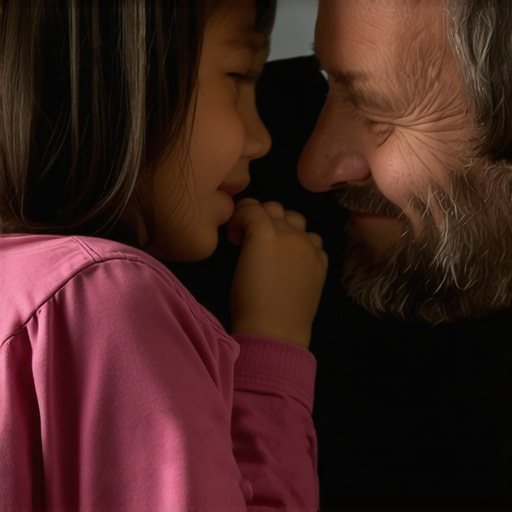
Harnessing Sentimental Triggers for Emotional Alchemy
Strategies for Cultivating Courage in Emotional Disclosure
What Role Does Contextual Ownership Play in Dads’ Emotional Journeys?
Expert Insights to Transform How Dads Embrace Feelings
Emotional authenticity fosters deep connections
Resilience through vulnerability reshapes masculinity
Sentimental triggers unlock profound emotional awareness
Mastering emotional literacy improves father-daughter bonds
Balancing authority with tenderness enhances fatherhood
Curated Expert Resources
Final Reflection for Forward-Thinking Fathers
This post really hits home for me. As someone who grew up in a family where the father was expected to be stoic and strong at all times, I now see how damaging that can be, both for fathers and their children. The idea that emotional vulnerability is a sign of weakness has definitely contributed to my own struggle with expressing feelings i’ve kept bottled up for years. I appreciate the emphasis on developing emotional literacy and building support networks because tackling these deeply ingrained norms is tough alone. I’ve recently started journaling and opening up more to close friends, which has been a positive step towards breaking that old ‘tough guy’ mold. What are some practical ways other fathers have found effective in balancing authority and tenderness without feeling like they’re losing control? I believe change starts with us, and I’m eager to hear how others are navigating this journey.